What Is Leverage in Trading and How to Start Forex Trading: A Complete Beginner’s Guide to Entering the Forex Market

Introduction to Forex Trading

The foreign exchange market, also known as Forex, is the largest financial market in the world where currencies are bought and sold. Traders participate in this market to profit from changes in currency prices. Before entering this market, it is important to understand key concepts, especially what is leverage in trading and the practical steps for how to start forex trading. These two elements form the foundation for every beginner who wants to trade responsibly and confidently.

Forex trading can be exciting because it offers flexibility, liquidity, and opportunities around the clock. However, success requires knowledge, discipline, and risk management. Let’s explore these topics in detail.

Understanding What Is Leverage in Trading

What is leverage in trading is one of the most important questions for beginners. Leverage allows traders to control a larger position in the market using a smaller amount of their own money. In simple terms, leverage acts like a loan provided by the broker to increase your buying power.

For example, if a broker offers 1:100 leverage, it means you can control $100,000 in the market with only $1,000 of your own capital. This does not mean you own the full amount, but you can trade with it. Leverage increases both potential profits and potential losses.

This is why understanding what is leverage in trading is essential before opening any position. While leverage can amplify gains, it can also amplify risks. A small price movement in the wrong direction can result in significant losses if proper risk management is not applied.

Beginners should use lower leverage until they gain experience. Responsible use of leverage combined with stop-loss orders helps reduce unnecessary risk and protects trading capital.

How Leverage Impacts Risk and Reward

When learning what is leverage in trading, it is important to understand how it affects risk. Higher leverage means greater exposure to market movements. This can be beneficial for short-term trading strategies but dangerous for inexperienced traders.

For example, without leverage, you may need a large amount of money to make meaningful profits. With leverage, smaller price changes can generate returns. However, losses can also occur quickly. Therefore, leverage should always be used carefully and with a clear trading plan.

Successful traders treat leverage as a tool, not a shortcut to quick profit. Proper education and risk control are key to long-term success.

How to Start Forex Trading Step by Step

Now let’s discuss how to start forex trading in a structured and beginner-friendly way.

The first step is education. Before risking real money, learn the basics of currency pairs, market structure, pips, spreads, and risk management. Understanding these concepts will help you build confidence.

The second step in how to start forex trading is choosing a reliable forex broker. A broker connects you to the market and provides the trading platform. Look for regulation, transparent fees, customer support, and trading conditions that match your needs.

After selecting a broker, the next step is opening a trading account. Most brokers offer demo accounts, which allow you to practice with virtual money. Beginners should always start with a demo account to understand how trading works without financial risk.

Choosing a Trading Platform

An important part of how to start forex trading is selecting a trading platform. The platform is the software used to analyze charts, place trades, and manage positions. Popular platforms provide charting tools, indicators, and order types that help traders make informed decisions.

Spend time learning how the platform works. Practice placing buy and sell orders, setting stop-loss and take-profit levels, and analyzing price charts. Familiarity with the platform increases confidence and reduces mistakes.

Developing a Trading Plan

Another essential step in how to start forex trading is creating a trading plan. A trading plan outlines your goals, risk tolerance, strategy, and money management rules.

Without a plan, emotional decisions can take over. A good trading plan includes entry and exit rules, maximum risk per trade, and daily or weekly trading limits. Consistency is more important than trying to make quick profits.

Beginners should avoid overtrading. Patience and discipline are key qualities of successful traders.

Understanding Risk Management

Risk management is one of the most important parts of trading. When learning what is leverage in trading, you must also understand that leverage increases the importance of risk control.

Never risk more than a small percentage of your trading capital on a single trade. Many experienced traders risk only 1–2% per trade. Using stop-loss orders is essential to limit potential losses.

Proper risk management ensures that even if several trades result in losses, your account remains protected.

Practicing with a Demo Account

Before trading with real money, practice on a demo account. This step is crucial in how to start forex trading because it allows beginners to test strategies, understand market behavior, and build confidence.

Demo trading helps you learn without financial pressure. However, treat the demo account seriously. Follow the same rules you would use in real trading to develop discipline.

Moving to a Live Trading Account

After gaining experience, you can transition to a live account with real capital. Start with a small amount of money. Even if you understand what is leverage in trading, using lower leverage at the beginning is safer.

The psychological difference between demo and live trading is significant. Real money can create emotions such as fear and greed. Staying calm and following your trading plan is essential for long-term success.

Continuous Learning and Improvement

Forex trading is not a one-time learning process. Markets constantly change, so continuous education is necessary. Keep improving your knowledge about strategies, market analysis, and risk control.

Understanding what is leverage in trading and mastering how to start forex trading are only the beginning. Over time, experience and consistent practice will improve your skills.

Reading trading books, following market news, and reviewing your trades can help you grow as a trader. Keep a trading journal to track your performance and identify mistakes.

Conclusion

Learning what is leverage in trading and understanding how to start forex trading are essential steps for any beginner entering the Forex market. Leverage can increase both profits and risks, so it must be used carefully. Starting with education, choosing a reliable broker, practicing on a demo account, and developing a solid trading plan will help you build a strong foundation.

Forex trading offers opportunities, but success requires discipline, patience, and proper risk management. With the right approach and continuous learning, beginners can confidently begin their journey in the Forex market and work toward consistent growth.
Building a Professional Futures Trading Business: Platforms, Capital, and a Scalable Edge

Turning futures trading from a side hobby into a structured, scalable business starts with two pillars: technology and capital. The platform you trade on determines how efficiently you can analyze markets, execute orders, and control risk. Later, when you’re consistent and ready to scale, access to external capital can multiply your results. That’s why serious traders put real effort into finding the Best Futures Trading Platform for their style and then aligning that technology with a roadmap that can eventually support institutional-level trading.

This article breaks down how to think like a professional when choosing a platform, what features actually matter, how to build processes around it, and how all of this positions you for future opportunities with capital providers and professional trading environments.


1. Why Your Futures Platform Is More Than “Just Software”

Many beginners choose a trading platform based on marketing, aesthetics, or a friend’s recommendation. Professionals look deeper because they understand that a platform is:

  • Your execution engine – how fast and reliably you can get in and out.
  • Your information hub – how clearly you can see relevant data and structure.
  • Your risk console – how effectively you can measure and control exposure.

Platform strengths and weaknesses show up in your bottom line through:

  • Slippage and missed entries/exits.
  • Delayed or distorted data.
  • Poorly placed or forgotten stops and targets.
  • Cognitive overload from a cluttered, unstructured interface.

If you treat platform choice as a strategic decision rather than a cosmetic one, you immediately move closer to how professionals operate.


2. Core Requirements of a Modern Futures Platform

While different traders use different tools, a strong execution environment for futures should excel in at least these areas:

A. Data Quality and Stability

You need:

  • Reliable real‑time market data with minimal lag.
  • Historical data sufficient for backtesting and study.
  • Stable connectivity; frequent disconnects are not acceptable in leveraged markets.

Even the best strategy fails if your data feed freezes at key moments.

B. Order Execution and Routing

Critical execution features include:

  • One‑click or keyboard trading for fast entries/exits.
  • Multiple order types: market, limit, stop, stop‑limit, OCO (one‑cancels‑the‑other), and bracket orders.
  • Clear information about working, filled, and cancelled orders.

Platforms that allow you to pre‑configure typical trade templates (e.g., default stop distance and target) save time and reduce errors during active sessions.

C. Charting and Technical Tools

Quality charting isn’t about the longest indicator list; it’s about clarity and flexibility. Look for:

  • Multiple timeframes on one screen or workspace.
  • Drawing tools for trendlines, zones, and patterns.
  • Shared levels or drawings across charts (so one key zone updates everywhere).
  • Custom indicator support if your strategy is specialized.

Your screen should reflect how you think about the market, not force you into a default layout.

D. Risk and Account Controls

Risk features that matter:

  • Real‑time unrealized and realized P&L per position and per day.
  • Clear margin usage and available buying power.
  • Built‑in daily loss limits or alerts when you approach your own thresholds.

When a platform makes risk visible and actionable, you’re less likely to drift into emotional, oversized trading.


3. Customization: Building a Workspace Around Your Edge

Professionals don’t use “busy” charts; they use purpose‑built layouts that remove distraction and surface only what matters for their edge.

Consider segmenting your workspace into:

  1. Market overview panel – Index, currency, and bond futures to read cross‑market sentiment.
  2. Trading instrument panel – Your primary product (e.g., one or two futures contracts) across several timeframes.
  3. Execution panel – DOM (depth of market), order entry tickets, and position info.
  4. News and calendar panel – Upcoming releases, earnings, and macro events.

This organization turns your platform into a command center rather than a cluttered screen of random charts.


4. Backtesting, Simulation, and Strategy Refinement

A strong futures platform should also help you develop and refine your approach, not just trade it. That involves:

Historical Testing

  • Replay past sessions at different speeds to see how your patterns behave.
  • Test simple rule sets first (entries, exits, filters) before layering complexity.

Live Simulation / Paper Mode

  • Execute trades in real time with virtual capital.
  • Verify that your strategy behaves as expected under current conditions.
  • Practice order entry and risk management without financial damage.

Even if you run separate tools for advanced backtesting, your primary platform should support some level of realistic, intraday simulation.


5. Common Mistakes Traders Make When Choosing a Platform

It’s easy to get sidetracked by the wrong criteria. Some frequent pitfalls:

  • Choosing based solely on commissions – Ultra‑low fees are useless if the platform is unstable or lacks critical tools.
  • Chasing indicators instead of structure – More indicators rarely improve edge; clearer structure almost always does.
  • Ignoring the learning curve – A powerful platform you don’t understand is effectively weaker than a simple one you master.
  • Not testing under live conditions – Weekend or after‑hours testing doesn’t reveal how the system behaves during peak volatility.

A professional attitude means spending deliberate time on evaluation and being willing to switch or upgrade when evidence demands it.


6. How Your Platform Prepares You for Larger Capital

Once you can execute cleanly, manage risk, and document your performance, you’re in a position to think about scale. This is where alignment between your platform and your long‑term goals really matters.

A solid environment helps you:

  • Export or log trade history for analysis and proof of performance.
  • Maintain consistent risk rules that can be shown to third parties.
  • Trade the same contracts that larger institutions and capital allocators care about (major indices, rates, commodities).

When your technology stack, record‑keeping, and habits look professional, it becomes much easier to take the next step into larger capital programs.


7. The Next Level: Adding External Capital to the Equation

As a trader matures, a common question emerges:

“If my edge is real, how do I put more capital behind it without taking on disproportionate personal risk?”

That’s where professional capital arrangements come in. In many modern models, you:

  • Trade firm‑backed or evaluation accounts under strict rules.
  • Prove your consistency over a defined period.
  • Scale up in buying power as long as you respect drawdown limits and risk frameworks.

The transition from purely personal accounts to structured capital is less about finding a shortcut and more about proving that your process is robust under supervision.


8. What Professional Environments Expect From You

Whether you eventually work with a capital provider, evaluation program, or collaborative trading environment, the core expectations are similar:

Discipline Over Drama

They look for:

  • Respect for daily and overall drawdown limits.
  • No “all‑in” bets, even after a winning streak.
  • Consistent lot sizing based on account size and volatility.

Strategy Clarity

You should be able to explain:

  • What markets you trade and why.
  • What your setups are and in which conditions they work best.
  • How you manage entries, exits, and risk.

Vague, improvised trading is hard to trust with serious capital.

Realistic Mindset

Professionals understand that:

  • Drawdowns are inevitable.
  • No edge works in all markets.
  • Longevity and stability matter more than sporadic big wins.

If you’ve already internalized these ideas in your own account, you’re far ahead of most applicants.


9. Designing Your Personal Roadmap

Bringing everything together, a realistic multi‑stage path might look like this:

  1. Foundation (0–3 months)
    • Learn platform basics: order types, charting, and risk tools.
    • Define a simple, rules‑based strategy.
    • Use simulation to test it during your preferred trading hours.
  2. Refinement (3–9 months)
    • Trade very small live size while still using simulation for new ideas.
    • Commit to daily and weekly review of your journal and stats.
    • Gradually improve your workspace and remove unnecessary clutter.
  3. Scaling (9–18 months and beyond)
    • Increase size slowly as long as you maintain discipline and stable metrics.
    • Start documenting performance in a way that could be presented to capital partners.
    • Research professional opportunities, understanding their rules and expectations.

At each stage, your platform is the tool that lets you turn ideas into tracked results—and those results become the basis for any future scaling.


10. Final Thoughts: Technology, Process, and Capital Working Together

Successful futures trading isn’t about guessing direction better than everyone else. It’s about building a system where:

  • Your platform supports clear analysis and fast, reliable execution.
  • Your rules and risk controls protect you from yourself.
  • Your records and behavior are strong enough to attract, justify, and handle more capital.

When you choose technology with intention and operate it with discipline, you create conditions where growth becomes a logical next step rather than a reckless leap. Over time, that combination of the right tools, processes, and mindset positions you to explore relationships with serious capital allocators and specialized Futures Prop Firms that understand how professional traders navigate bull and bear markets at scale: 

MT5’s Depth of Market (DOM) Tools: Advanced Techniques for Funded Traders

For prop traders, understanding market liquidity and order flow can provide a critical edge. That’s where MetaTrader 5 (MT5) Depth of Market (DOM) tools come in. DOM gives you a real-time snapshot of buy and sell orders at various price levels, allowing you to make informed trading decisions quickly.

In this article, we’ll dive into how funded traders can leverage MT5 DOM tools to optimize trade execution and enhance their prop trading strategies.

What is Depth of Market (DOM)?

Depth of Market is a visual representation of market liquidity. It shows:

  • Bid Prices: Levels where traders are willing to buy.
  • Ask Prices: Levels where traders are willing to sell.
  • Volume at Each Level: How many contracts or lots are available at each price.

For prop traders, DOM provides insights beyond traditional charts, revealing where significant buying or selling pressure exists.

Step 1: Accessing DOM in MT5

To access DOM in MT5:

  1. Open your MT5 platform connected to your best prop firm account.
  2. Right-click on the chart of the instrument you want to analyze.
  3. Select Depth of Market.

You’ll now see a window displaying bid and ask prices along with the corresponding volumes.

Step 2: Understanding the DOM Layout

The DOM window typically includes:

  • Price Levels: Listed vertically with the current market price highlighted.
  • Bid Volumes: Quantity of orders willing to buy at each price.
  • Ask Volumes: Quantity of orders willing to sell at each price.
  • Market Execution Buttons: Place trades directly from the DOM window.

By reading these levels, traders can anticipate potential support and resistance areas based on liquidity concentration.

Step 3: Placing Orders Directly from DOM

One of the advantages of MT5’s DOM is that you can place orders without opening the main chart:

  1. Select the desired price level.
  2. Choose Buy or Sell depending on your strategy.
  3. Adjust lot size directly in the DOM window.
  4. Click Place to execute the trade instantly.

This reduces response time, which is especially important for prop traders using scalping or high-frequency strategies.

Step 4: Using DOM for Trade Analysis

DOM isn’t just for execution—it can help you analyze the market:

  • Identify Liquidity Clusters: Large volumes at specific prices can act as support or resistance.
  • Monitor Order Flow: Sudden spikes in buying or selling can signal market momentum.
  • Plan Entries and Exits: Adjust your orders based on where liquidity is concentrated.

This allows funded traders to anticipate market movements before they appear on regular charts.

Step 5: Combining DOM with Other MT5 Tools

To maximize your trading edge, combine DOM with:

  • Price Action Charts: Confirm levels of support and resistance.
  • Indicators: Volume-based indicators or moving averages can validate DOM signals.
  • Alerts: Set MT5 notifications for price levels with high liquidity or sudden changes.

Using DOM alongside your standard MT5 toolkit can improve both trade timing and accuracy.

Step 6: Tips for Prop Traders Using DOM

  • Avoid Overtrading: DOM can tempt traders to react to every order change; focus on significant liquidity levels.
  • Practice First: Use a demo account to understand DOM patterns before trading live.
  • Customize Layouts: Adjust the DOM display to highlight the most relevant information for your strategy.
  • Integrate with Profiles: Save DOM settings in profiles for each prop firm account for quick access.

Step 7: Benefits for Funded Traders

Using MT5 DOM tools offers several advantages:

  • Faster Execution: Place trades directly from the DOM window.
  • Better Market Insight: See where the real liquidity lies before entering positions.
  • Improved Risk Management: Avoid entering trades in thin markets with low liquidity.
  • Strategic Advantage: Spot potential reversals or momentum shifts early.

These benefits are particularly valuable for traders managing multiple accounts on a best prop firm.

Conclusion

MT5’s Depth of Market tools provide a powerful edge for funded traders looking to trade with precision and speed. By understanding market liquidity, placing orders directly from DOM, and integrating it with your existing MT5 strategy, you can make more informed decisions and reduce risk.

If you want to trade smarter and faster, start exploring MT5 DOM tools today and see how they can enhance your prop trading performance.

Scheduling Your Gold Futures Trades Around Futures Trading Hours

Gold futures trading is an exciting and dynamic way for traders to engage with one of the most valuable commodities in the world. Understanding gold futures symbol and futures trading hours is essential for anyone looking to navigate this market effectively. Properly scheduling your trades around active trading periods can significantly enhance your strategy and improve your overall trading experience.

Understanding Gold Futures

Before diving into trading strategies, it’s important to understand what gold futures are. A gold futures symbol represents a standardized contract for buying or selling a specific quantity of gold at a predetermined price and date. Each symbol is unique and indicates details such as the delivery month and the type of contract. Familiarizing yourself with these symbols is crucial because they provide essential information for executing trades accurately. Knowing the symbol allows traders to identify the correct contract and avoid mistakes when placing orders.

Importance of Futures Trading Hours

One of the key aspects of trading gold futures effectively is understanding futures trading hours. Futures markets operate at specific times, and these hours determine when contracts can be actively bought and sold. By being aware of these trading hours, traders can schedule their trades to coincide with periods of higher market activity. Higher activity often means increased liquidity, which can make it easier to enter and exit trades efficiently. It also helps traders to plan their strategies in advance, ensuring that they are trading during optimal market conditions.

How to Plan Your Gold Futures Trading Schedule

Planning your trading schedule starts with understanding the market hours for gold futures. Most exchanges offer extended trading sessions, but the most active hours often occur when major global markets overlap. Scheduling trades around these periods allows traders to take advantage of market volatility while avoiding low-activity periods that may lead to wider spreads and less favorable pricing.

Using a gold futures symbol, traders can track specific contracts and align their trading strategies with the times when those contracts are most active. By organizing your trading day around these key hours, you ensure that you are participating in the market when it is most advantageous.

Strategies for Effective Trading

Effective gold futures trading also involves careful monitoring of market trends and economic indicators that impact gold prices. While scheduling trades around futures trading hours, it is helpful to set alerts for price movements and news events that could influence the market. This approach allows traders to react promptly and make informed decisions.

Another important strategy is to maintain a consistent trading routine. By scheduling trades consistently during certain periods of the day, traders can better analyze patterns and refine their strategies over time. Combining the knowledge of gold futures symbol and futures trading hours with disciplined trading routines enhances the ability to anticipate market movements and execute trades confidently.

Risk Management in Gold Futures

Even with careful scheduling, risk management remains a critical part of trading gold futures. Setting stop-loss orders, defining acceptable risk levels, and avoiding overtrading during low-activity hours are essential practices. By aligning these risk management strategies with futures trading hours, traders can minimize potential losses and protect their capital while still taking advantage of market opportunities.

Leveraging Technology

Modern trading platforms provide tools to help traders monitor gold futures symbols and track futures trading hours efficiently. Features such as real-time price charts, automated alerts, and trade scheduling tools allow traders to execute their strategies more effectively. Utilizing these technological resources ensures that traders can make the most of active trading periods and stay informed about market conditions at all times.

Conclusion

Scheduling your gold futures trades around futures trading hours is essential for anyone looking to succeed in the futures market. Understanding the gold futures symbol helps traders identify the correct contracts, while knowledge of trading hours ensures participation during the most active periods. By combining careful planning, consistent strategies, risk management, and technology, traders can improve their efficiency and confidence in gold futures trading. Focusing on these elements allows for a structured approach to trading, creating opportunities to maximize market potential while managing risks effectively.

How MT5 Helps Traders Maintain an Instant Funded Account Successfully

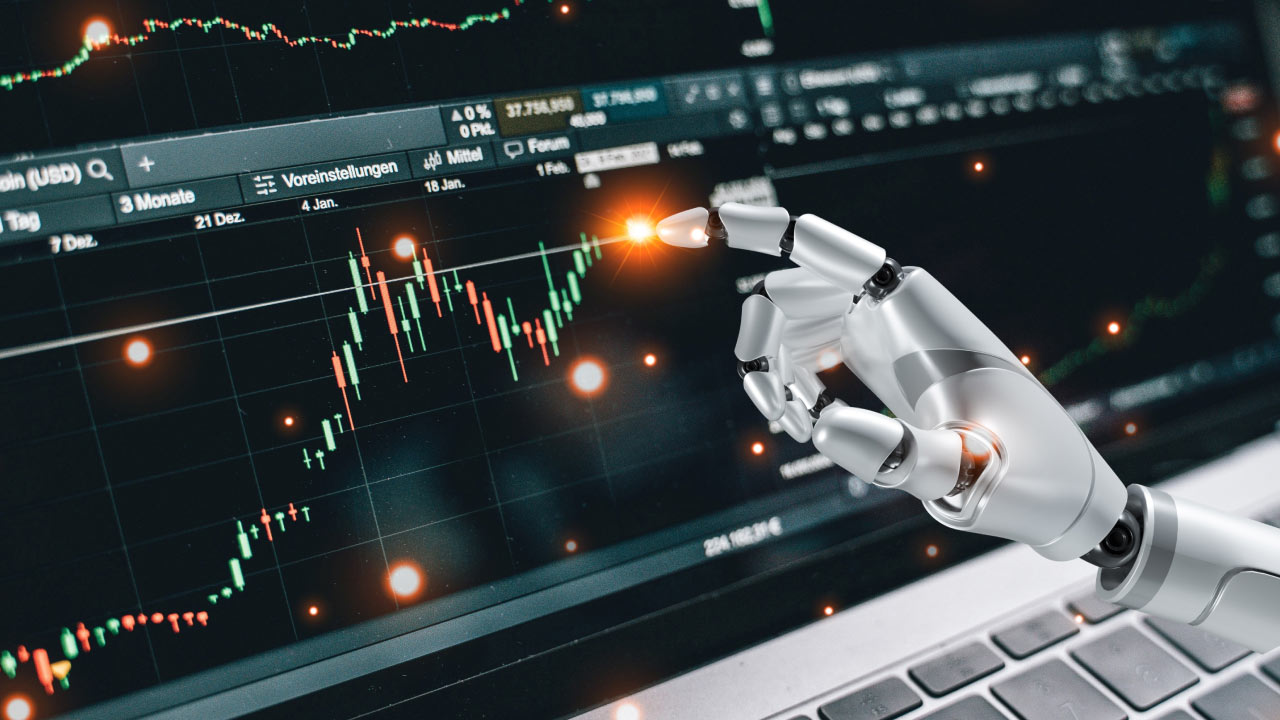
Benefits and Risks of Using AI in Trading: A robotic hand interacting with a forex trading chart on a computer screen, symbolizing AI-driven trading strategies.

Introduction to MT5 and Instant Funded Accounts
MT5 is a powerful trading platform widely used by traders to execute their strategies with precision and efficiency. An instant funded account is a special type of trading account that provides traders with immediate access to trading capital, allowing them to participate in the markets without waiting for traditional funding processes. Combining MT5 with an instant funded account offers traders the tools and resources needed to maximize their performance and manage their trading activities effectively.

Setting Up Your Instant Funded Account in MT5
The first step in maintaining an instant funded account is to properly set it up on the MT5 platform. Traders must link their account credentials to MT5, ensuring that all trading permissions and account settings are configured correctly. This setup process allows seamless execution of trades, real-time monitoring of account balances, and access to essential trading tools. MT5 provides an intuitive interface that makes account management straightforward, helping traders focus on their strategies rather than technical difficulties.

Using MT5 Tools for Risk Management
One of the key benefits of MT5 is its comprehensive suite of risk management tools. For traders managing an instant funded account, it is crucial to control exposure to the market to protect capital. MT5 offers features such as stop-loss orders, take-profit levels, and trailing stops. These tools enable traders to limit potential losses while securing profits. By effectively using these features, traders can maintain a consistent performance in their instant funded account and avoid unnecessary risks that could affect their funding status.

Technical Analysis with MT5
MT5 provides a wide range of technical analysis tools that are essential for traders maintaining an instant funded account. These tools include advanced charting options, customizable indicators, and analytical objects that help traders identify market trends and potential entry or exit points. By analyzing market movements using MT5 indicators, traders can make informed decisions that align with the objectives of their instant funded account. Regular use of technical analysis ensures that trading decisions are based on data and patterns rather than guesswork, which is critical for consistent performance.

Executing Trades Efficiently
Efficient trade execution is another area where MT5 excels. The platform allows traders to place market orders, pending orders, and modify trades instantly, which is vital for managing an instant funded account. Quick execution helps traders respond to changing market conditions and take advantage of trading opportunities as they arise. MT5’s execution speed reduces the risk of slippage and ensures that trades are executed at desired prices, contributing to more predictable outcomes for the instant funded account.

Monitoring Account Performance
Maintaining an instant funded account requires continuous monitoring of performance, and MT5 provides the tools to do this effectively. Traders can track account equity, margin levels, and profit or loss in real time. This visibility helps traders make necessary adjustments to their strategies and ensures they are operating within the guidelines of their funding program. MT5 also allows for exporting trade history and reports, enabling traders to review performance trends and refine their approach over time.

Leveraging MT5 for Strategy Development
MT5 is not just a trading platform; it is a complete environment for developing and testing trading strategies. Traders maintaining an instant funded account can use MT5’s strategy tester to simulate trades and analyze how different approaches would perform under various market conditions. By testing strategies before applying them in live trading, traders can increase their chances of success and maintain their funded account with confidence. The combination of strategy testing and live execution makes MT5 a crucial tool for disciplined trading.

Using Alerts and Notifications
Another advantage of MT5 is its alert system, which helps traders stay on top of market events and account activities. Alerts can be set for price levels, indicator signals, or account thresholds, allowing traders to react promptly to opportunities or risks. For an instant funded account, timely actions can mean the difference between maintaining a positive performance or facing penalties. MT5 notifications ensure that traders are always informed and can manage their accounts proactively.

Conclusion
Successfully maintaining an instant funded account requires discipline, strategy, and the right tools. MT5 provides all the necessary features to support traders in achieving these objectives. From account setup and trade execution to technical analysis and risk management, MT5 ensures that traders have the resources they need to operate efficiently and effectively. By leveraging the capabilities of MT5, traders can manage their instant funded accounts with confidence, making informed decisions that support consistent performance and long-term trading success.