Which girls clothing brands offer eastern dresses?
When parents search for girls clothing brands, they often want a combination of style, comfort, quality, and affordability. Eastern dresses remain one of the most popular choices because they reflect cultural traditions while offering modern fashion trends. 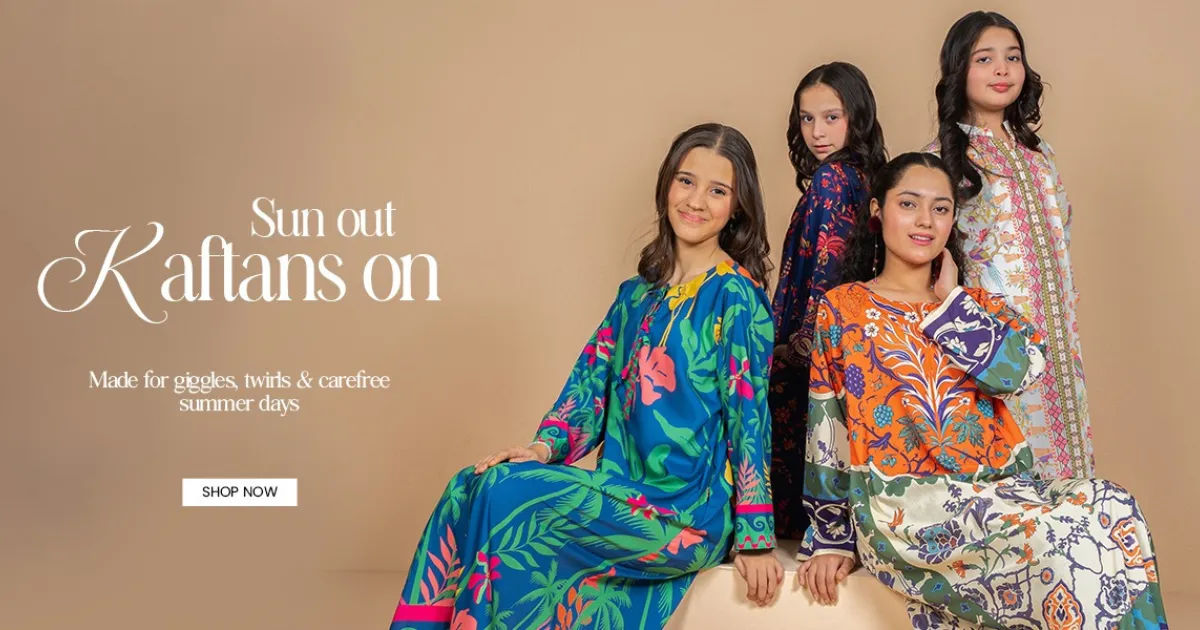
Many girls clothing brands now design collections that combine traditional embroidery, soft fabrics, contemporary cuts, and vibrant colors. These collections allow young girls to enjoy fashionable clothing without sacrificing comfort. Whether you are looking for cotton lawn suits for summer or luxurious festive outfits for special occasions, there are numerous options available in the market.
This comprehensive guide explains which girls clothing brands offer Eastern dresses, what makes these collections unique, how to choose the right outfit, and the latest trends shaping children's ethnic fashion.
Why Eastern Dresses Remain Popular for Girls
Eastern dresses have remained fashionable for generations. While global fashion continues to evolve, traditional clothing maintains its importance because it reflects culture, family values, and celebrations.
Parents appreciate Eastern clothing because it offers elegance while remaining age-appropriate. Young girls also enjoy wearing colorful dresses that allow them to feel confident during family events.
Some major reasons Eastern dresses remain popular include:
- Comfortable fabrics suitable for different seasons.
- Beautiful embroidery and traditional patterns.
- Modest yet fashionable designs.
- Perfect choices for religious and cultural events.
- Available in casual, semi-formal, and luxury collections.
Today, many girls clothing brands successfully blend traditional craftsmanship with modern styling to create outfits children genuinely enjoy wearing.
What Makes a Good Girls Clothing Brand for Eastern Wear?
Not every clothing company specializes in children's ethnic fashion. The best girls clothing brands understand the needs of both parents and children.
Several qualities distinguish an excellent brand from an average one.
Comfortable Fabrics
Children remain active throughout the day. Clothing should allow movement without causing discomfort.
Popular fabrics include:
- Cotton
- Lawn
- Cambric
- Linen
- Khaddar
- Chiffon for festive wear
- Organza for formal occasions
Soft materials prevent irritation while ensuring children remain comfortable for long hours.
Attractive Designs
Children enjoy colorful prints, floral patterns, delicate embroidery, lace details, and playful embellishments.
Modern girls clothing brands frequently update their collections to reflect changing fashion trends while preserving traditional styles.
Proper Stitching
Strong stitching improves durability. Children play actively, making high-quality construction essential.
Well-made dresses withstand frequent washing while maintaining their appearance.
Age-Appropriate Styles
Designers create outfits suitable for toddlers, young girls, and teenagers.
Instead of copying adult fashion directly, leading girls clothing brands develop collections specifically designed for younger age groups.
Affordable Pricing
Parents often purchase multiple outfits each year.
Affordable collections help families buy seasonal wardrobes without exceeding their budgets.
Popular Types of Eastern Dresses for Girls
Eastern fashion includes numerous styles suitable for different occasions.
Understanding these options helps parents choose the most appropriate outfit.
Shalwar Kameez
The shalwar kameez remains the most recognizable Eastern outfit.
It consists of:
- Long or short shirt
- Loose shalwar
- Optional dupatta for older girls
Many girls clothing brands introduce updated versions featuring modern prints and stylish cuts while preserving the traditional silhouette.
Frocks
Traditional frocks remain extremely popular among younger girls.
These dresses often include:
- Gathered skirts
- Embroidered bodices
- Decorative sleeves
- Matching trousers
Frocks are ideal for birthdays, family dinners, and festive celebrations.
Anarkali Dresses
Anarkali dresses feature flowing silhouettes that create graceful movement.
These dresses usually include:
- Fitted bodice
- Wide flared skirt
- Elegant embroidery
- Matching trousers or leggings
Luxury girls clothing brands frequently launch Anarkali collections during festive seasons.
Gharara Sets
Gharara outfits have become increasingly fashionable.
They typically feature:
- Short embroidered shirt
- Wide flared gharara pants
- Decorative dupatta
These outfits are especially popular during weddings and Eid celebrations.
Sharara Dresses
Sharara dresses resemble ghararas but offer continuous flared pants.
Young girls enjoy these outfits because they appear festive while remaining comfortable.
Many premium girls clothing brands include sharara collections every wedding season.
Lehenga Choli
Lehenga choli outfits are common during formal celebrations.
These sets usually include:
- Decorative blouse
- Flared skirt
- Matching dupatta
Rich embroidery makes them suitable for special occasions.
Straight Shirts with Trousers
Modern straight shirts paired with cigarette pants or trousers have become fashionable among older girls.
These outfits combine elegance with simplicity.
Many girls clothing brands introduce contemporary versions using minimal embroidery and pastel shades.
Casual Eastern Dresses
Not every Eastern outfit needs heavy embellishment.
Casual dresses often include:
- Printed lawn shirts
- Comfortable trousers
- Everyday cotton fabrics
- Simple embroidery
These outfits are ideal for school holidays, shopping trips, and family visits.
Festive Eastern Dresses
Festive collections focus on elegance.
Common features include:
- Sequins
- Pearls
- Lace
- Organza
- Chiffon
- Hand embroidery
- Mirror work
Premium girls clothing brands release festive collections before Eid and wedding seasons.
Features to Look for When Buying Eastern Dresses
Choosing children's clothing requires careful consideration.
Several factors should influence purchasing decisions.
Fabric Quality
High-quality fabrics last longer.
Natural fibers remain breathable during hot weather while providing better comfort.
Size Accuracy
Children grow quickly.
Parents should check sizing charts carefully before purchasing.
Many girls clothing brands now provide detailed measurement guides.
Easy Maintenance
Children's clothing requires frequent washing.
Parents often prefer dresses that:
- Resist shrinking
- Maintain color
- Require minimal ironing
- Dry quickly
Seasonal Suitability
Summer collections focus on lightweight fabrics.
Winter collections include:
- Khaddar
- Linen
- Velvet
- Wool blends
Seasonal fabrics improve comfort throughout the year.
Safety
Children's clothing should avoid:
- Loose decorative beads
- Sharp embellishments
- Poor-quality zippers
- Rough stitching
Safe construction remains an important consideration.
Colors Trending in Eastern Girls Fashion
Fashion trends change each year, but several colors consistently remain popular.
Pastel shades continue attracting attention because they appear elegant and fresh.
Popular choices include:
- Baby pink
- Sky blue
- Lavender
- Mint green
- Peach
- Lemon yellow
Brighter colors remain common during festivals.
Examples include:
- Red
- Maroon
- Emerald green
- Royal blue
- Mustard
- Orange
- Purple
Many girls clothing brands balance classic shades with trendy seasonal colors.
Prints That Never Go Out of Style
Print selection significantly influences a dress's appearance.
Several timeless patterns continue appearing in children's collections.
Floral prints remain among the most popular.
These designs create cheerful, youthful outfits suitable for everyday wear.
Geometric patterns have also gained popularity.
Simple shapes provide a modern appearance while maintaining elegance.
Ethnic motifs continue defining traditional Eastern fashion.
Paisley, block prints, and heritage-inspired patterns preserve cultural identity.
Animal-inspired prints occasionally appear in children's casual collections.
These playful designs appeal to younger girls.
Many girls clothing brands combine traditional motifs with modern digital printing techniques to create unique collections.
Embroidery Styles Used in Eastern Dresses
Embroidery adds elegance without overwhelming children's clothing.
Popular embroidery techniques include:
- Thread embroidery
- Mirror work
- Sequins
- Lace detailing
- Pearl embellishments
- Machine embroidery
- Appliqué work
Luxury collections may include handcrafted embellishments, while casual collections rely on simple decorative stitching.
The best girls clothing brands carefully balance decoration with comfort to ensure children can move freely.
Seasonal Collections Offered by Girls Clothing Brands
Most brands release multiple collections each year.
Seasonal launches help parents prepare wardrobes for changing weather.
Summer collections emphasize breathable materials and vibrant prints.
Winter collections introduce warmer fabrics and darker shades.
Festive collections focus on embroidery and formal styling.
Wedding collections showcase premium craftsmanship.
Back-to-school collections occasionally include modest Eastern casual wear suitable for daily activities.
Leading girls clothing brands continuously refresh their inventory to match seasonal demand.
Why Parents Prefer Branded Eastern Dresses
Branded clothing often provides greater confidence in quality.
Although local markets offer numerous choices, established brands generally maintain consistent standards.
Parents appreciate branded collections because they often provide:
- Better stitching
- Reliable sizing
- High-quality fabrics
- Fashionable designs
- Long-lasting colors
- Excellent finishing
Many girls clothing brands also improve customer satisfaction by offering size exchanges and seasonal sales.
Conclusion
Different occasions require different clothing styles.
Selecting the right outfit helps children feel comfortable while matching the event.
Casual family visits call for lightweight cotton dresses with simple prints.
Birthday parties often feature stylish frocks or colorful Eastern outfits with light embellishments.
Religious events usually encourage modest clothing with elegant embroidery.
Wedding ceremonies allow girls to wear luxurious dresses featuring sequins, pearls, and traditional craftsmanship.
School cultural programs often require comfortable traditional clothing that allows children to participate confidently.
The versatility offered by modern girls clothing brands makes it easier for parents to find outfits suitable for every event.