Why Tarot Reading Is the New Therapy for Mumbai Millennials

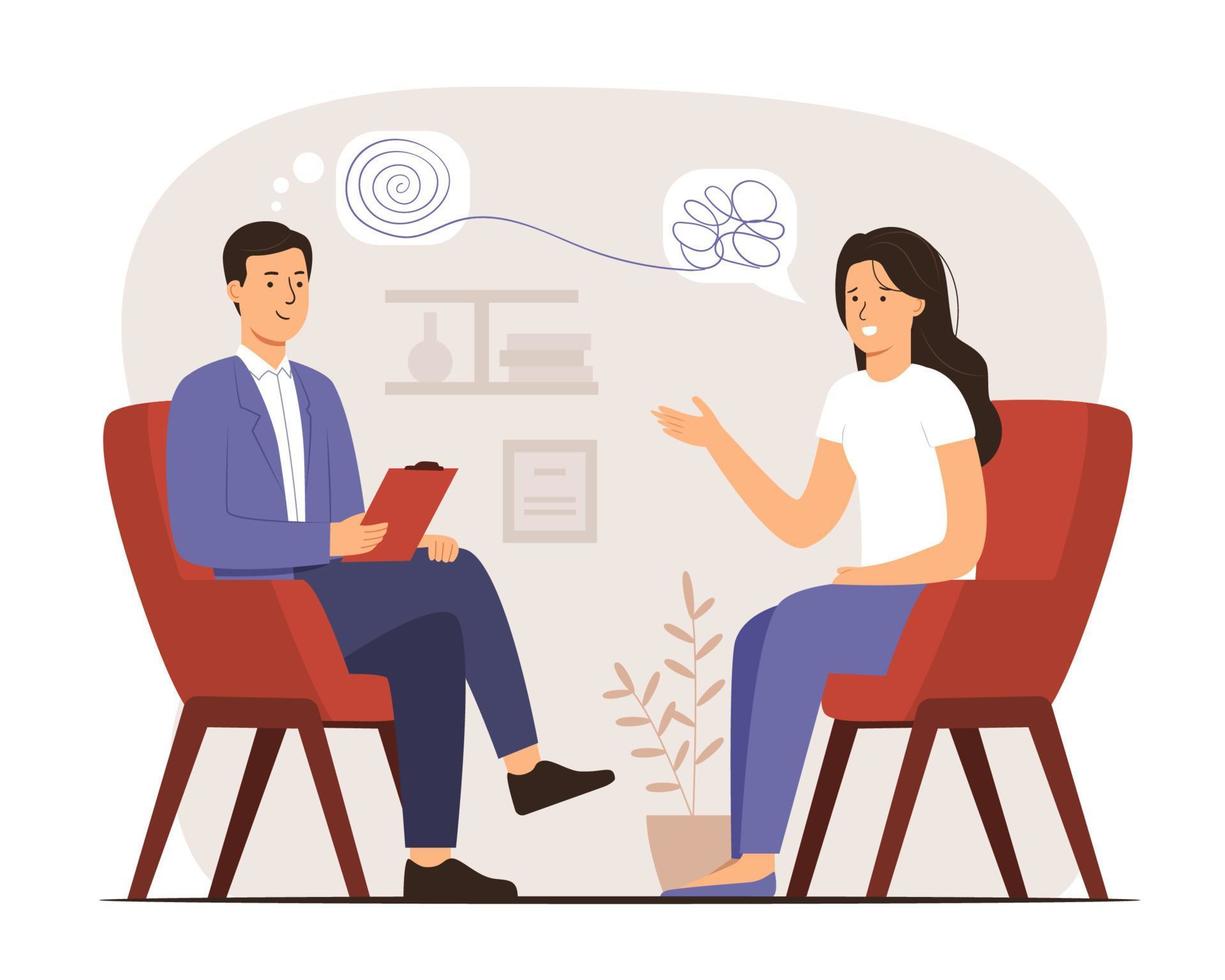
Something is shifting in how Mumbai's millennial generation seeks support. Not away from therapy — therapy has never been more sought after or more destigmatised in this city than it is right now — but alongside it. And the thing that an increasing number of Mumbai's millennials are adding to their mental and emotional toolkit is a regular session with a tarot card reader in Mumbai.

This is not mysticism. This is a generation that has grown up questioning received wisdom, building their own frameworks for understanding the world, and reaching for tools that genuinely work rather than tools that simply have institutional credibility. They have tried the prescribed approaches. They are open to what actually helps.

Divine Monica Harsh has been a professional tarot card reader in Mumbai for over twenty years. The proportion of her practice that is composed of millennial clients has grown significantly in recent years, and the way this generation approaches tarot is distinct in ways that make the work particularly interesting.

What Mumbai's Millennials Are Actually Looking For

The generation currently between 25 and 40 in Mumbai is navigating a specific set of pressures that previous generations did not face in the same form. The collision of unprecedented professional opportunity and economic uncertainty. Relationship structures that are genuinely in flux — neither the arranged marriage template of their parents' generation nor any clearly defined alternative. The weight of being the first generation in their families to navigate certain kinds of lives, without a map.

What they want from a tarot card reader in Mumbai is not what they want from therapy. Therapy provides a long-term container for processing. Tarot provides immediate clarity about a specific situation. Both are valuable. They address different needs on different timelines.

The Appeal of Directness

One thing Divine Monica Harsh consistently observes about millennial clients is their appreciation for directness. They do not want their questions softened. They do not want the difficult cards in a reading sugar-coated. They want to know what is actually there — the honest, unvarnished picture — and they want to be trusted to deal with it.

This preference plays directly to the strength of a skilled tarot card reader in Mumbai. Tarot at its best is direct. The cards show what is present. An honest reader says what the cards show. There is no diplomatic softening, no therapeutic reframing, no careful management of the person's reaction. There is just the honest reflection of what is there. For a generation that has developed finely tuned detectors for inauthenticity, that directness is one of tarot's most significant appeals.

The Accessibility Factor

Therapy in Mumbai is expensive and often has waiting lists. A session with a tarot card reader in Mumbai is more immediately accessible — easier to schedule, easier to fit into a busy life, and often more affordable for the frequency with which this generation wants to engage with this kind of support.

Divine Monica Harsh has structured her practice to be accessible to clients who want to engage regularly rather than only in crisis. For millennials who have incorporated a tarot session into their monthly rhythm — alongside their gym sessions, their therapy appointments, their meditation practice — the regularity is part of what makes it effective.

What Millennial Clients Bring to Sessions

The questions are often more sophisticated than people expect. This is not a generation asking whether a specific person loves them. They are asking what pattern is running underneath their relationship choices. Not whether they should take a job but what their work is actually for in the larger context of their life. Not whether things will get better but what the path through a difficult period actually looks like and what it is asking of them.

These are exactly the kinds of questions a skilled tarot card reader in Mumbai is equipped to address. Divine Monica Harsh brings twenty years of genuine expertise to each of them — not with generic answers, but with readings that are specific to the person, the situation, and this exact moment.

The Community Aspect

One of the more interesting developments in the millennial relationship with tarot is the community that has formed around it. People who see a tarot card reader in Mumbai regularly talk to their friends about it. They compare notes, share experiences, recommend readers. The practice has become social in a way that therapy, for example, has not.

This social dimension accelerates adoption. When a trusted friend describes what they got from a session with a tarot card reader in Mumbai — specifically, what shifted, what they now see that they did not see before — it is a more compelling invitation than any advertisement. Divine Monica Harsh's millennial client base has grown significantly through this kind of word-of-mouth, which is itself a testament to the genuine value the sessions provide.

As the most experienced and trusted tarot card reader in Mumbai for this generation's specific needs and questions, Divine Monica Harsh brings both the expertise and the directness that Mumbai's millennials are looking for.

Best Ways to Find Local Classified Listings Safely

Introduction

Local classified listings help people buy, sell, and promote services within their area. These platforms are popular because they make it easy to connect with nearby buyers and sellers. From used furniture and cars to jobs and rental homes, classified websites offer many opportunities.

However, safety is very important when using online listings. Scams, fake ads, and dishonest users can create problems if people are not careful. Learning the best ways to find local classified listings safely can help users avoid risks and enjoy a better online experience.

What Are Local Classified Listings?

Local classified listings are online advertisements posted by individuals or businesses. These ads are usually organized into categories such as:

  • Real estate
  • Jobs
  • Vehicles
  • Services
  • Electronics
  • Community events
  • Furniture

People use classified platforms to find products or services near their location. Local listings are useful because buyers can often inspect items before making payments.

Choose Trusted Classified Websites

One of the safest ways to find local listings is by using trusted platforms. Popular websites usually have better security systems, reporting tools, and moderation policies.

Trusted classified websites often provide:

  • Verified accounts
  • Scam detection tools
  • Secure messaging
  • User reporting systems

Using well-known platforms reduces the chances of dealing with fake sellers or suspicious ads.

Check the Listing Details Carefully

Before contacting a seller, always review the listing carefully. A genuine ad usually contains complete and clear information.

Look for Detailed Descriptions

Safe and reliable listings often include:

  • Product condition
  • Real photos
  • Accurate pricing
  • Location details
  • Contact information

Short or confusing descriptions can sometimes be warning signs.

Examine the Photos

Images help users understand the actual condition of a product. Be cautious if:

  • Photos look copied from other websites
  • Images are blurry
  • There are no photos at all

Many scammers use stock photos to attract buyers.

Compare Prices Before Buying

Prices that seem too low can be suspicious. Comparing prices with similar local listings helps users understand market value.

Watch for Unrealistic Deals

If a seller offers expensive items at extremely low prices, there may be a problem. Scammers often use cheap prices to attract quick buyers.

Taking time to compare listings can help users avoid fraud.

Communicate Through Safe Channels

Communication is an important part of online classified transactions.

Use Platform Messaging Systems

Many classified websites provide built-in chat or messaging systems. These tools help protect privacy and keep conversations organized.

Avoid sharing personal information too early.

Be Careful with Personal Details

Never share sensitive information such as:

  • Bank account details
  • Passwords
  • National ID numbers
  • Home address

Scammers sometimes try to collect personal data through fake conversations.

Meet in Safe Public Locations

If buying or selling locally, meeting in a public place is safer than visiting private locations.

Best Meeting Places

Safe meeting spots include:

  • Shopping centers
  • Cafes
  • Police station parking areas
  • Busy public spaces

Public locations reduce risks and increase safety for both buyers and sellers.

Avoid Night Meetings

Daytime meetings are generally safer because there are more people around. Try to avoid isolated or poorly lit areas.

Verify the Seller or Buyer

Checking the identity of the other person can help reduce risks.

Review User Profiles

Some classified websites show:

  • User ratings
  • Account age
  • Reviews
  • Verification badges

Profiles with positive history are usually more trustworthy.

Ask Questions

Before meeting or paying, ask questions about the item or service. Honest sellers usually provide clear answers without hesitation.

Avoid Advance Payments

One of the most common online scams involves advance payments.

Use Secure Payment Methods

When possible, use payment methods that offer buyer protection. Cash payments during face-to-face meetings are also common for local deals.

Be Careful with Wire Transfers

Avoid sending money through:

  • Unverified payment apps
  • Wire transfer services
  • Cryptocurrency payments to strangers

Scammers often prefer payment methods that are difficult to trace.

Watch for Common Scam Signs

Learning common scam patterns can help users stay safe online.

Fake Urgency

Scammers often pressure buyers by saying:

  • “Limited time offer”
  • “Many buyers are waiting”
  • “Pay immediately”

Honest sellers usually allow reasonable time for decision-making.

Requests to Move Conversations Elsewhere

Be cautious if someone quickly asks to move communication outside the platform. Scammers may try to avoid platform monitoring systems.

Poor Grammar or Suspicious Messages

Some fake listings contain unusual writing, copied text, or confusing replies.

Use Mobile Apps Carefully

Many people use classified apps on smartphones for convenience. While mobile apps are useful, users should still follow safety practices.

Download Official Apps Only

Always download apps from official stores like:

  • Google Play Store
  • Apple App Store

Fake apps may contain malware or phishing tools.

Keep Your Device Secure

Using updated software and strong passwords helps protect personal information while browsing listings.

Report Suspicious Listings

Most classified platforms allow users to report fake ads or suspicious behavior.

Why Reporting Matters

Reporting scams helps:

  • Protect other users
  • Remove fake listings
  • Improve platform safety

Responsible reporting creates a safer online community.

Benefits of Local Classified Listings

When used safely, classified websites offer many advantages.

Easy Buying and Selling

Users can quickly connect with nearby buyers and sellers without paying large fees.

Wide Range of Categories

Classified platforms provide access to many products and services in one place.

Local Convenience

Buying locally often saves shipping costs and allows item inspection before purchase.

Many users also explore platforms like bedpage to browse different types of local classified listings and online advertisements.

Conclusion

Finding local classified listings safely requires careful attention and smart decision-making. Choosing trusted websites, checking listing details, verifying users, and meeting in safe locations can greatly reduce risks.

Online classified platforms continue to grow because they offer convenience and local access to products and services. By following proper safety practices, users can enjoy secure buying and selling experiences while avoiding common scams and online fraud.

Toys: Unlocking Potential Through Play and Discovery

Toys are often seen as mere tools for entertainment, but their true significance goes far beyond that simple notion. Toys are an essential part of childhood development, providing children with the opportunity to learn, grow, and explore in a safe and enjoyable environment. From enhancing cognitive skills to fostering creativity, emotional intelligence, and social development, 樂高玩具 are powerful instruments in shaping a child’s future. In this article, we explore the many ways toys contribute to a child's growth, their evolving role in society, and how they continue to shape the next generation of learners, creators, and leaders.

Cognitive Growth: Learning Through Play

Play is the foundation of learning, and toys are the perfect medium for fostering cognitive development. From infancy to early childhood, toys help children develop important mental skills, such as problem-solving, memory, and critical thinking. Babies and toddlers begin to develop their cognitive abilities by interacting with toys that stimulate their senses. Toys that make sounds, change colors, or move encourage babies to observe and respond, laying the groundwork for early learning experiences.

As children grow, toys become more complex, encouraging them to think creatively and solve problems. Puzzles, building blocks, and games that require strategy, like board games or card games, are excellent tools for helping children enhance their cognitive abilities. For example, when a child assembles a puzzle, they are practicing spatial awareness, concentration, and memory recall. Similarly, when playing with building toys like LEGOs or wooden blocks, children exercise their critical thinking and planning skills as they figure out how pieces fit together or how to build a structure that stands up.

Moreover, modern STEM toys (Science, Technology, Engineering, and Mathematics) offer children the opportunity to engage with advanced concepts early on. Toys like robotics kits, circuit boards, or coding games introduce children to the principles of engineering and programming in a fun, accessible way. These toys help prepare children for a world where technology plays a central role, teaching them skills that will be essential in future careers.

Social and Emotional Development: Learning to Navigate the World

Toys are also instrumental in helping children understand themselves and others. They play a crucial role in emotional development, offering children a safe space to express their feelings and explore different emotional experiences. When children engage in pretend play with dolls, action figures, or role-playing toys, they often act out scenarios that reflect real-life situations. Whether they’re playing house, doctor, or teacher, these imaginative experiences allow children to process their emotions and learn empathy by stepping into someone else's shoes.

Pretend play helps children develop emotional intelligence by allowing them to experiment with different roles and emotional responses. For instance, a child playing with dolls may act as a caregiver, providing comfort or reassurance to the doll in times of distress. This type of play promotes nurturing behaviors and empathy, while also helping children develop an understanding of social relationships and how to care for others.

Toys that encourage cooperative play, such as board games, group-building toys, or sports equipment, teach children valuable social skills like sharing, cooperation, and conflict resolution. As children learn how to work together, they also learn how to negotiate and handle disagreements in a healthy manner. Whether it’s taking turns in a game or collaborating to build a structure, children learn the importance of teamwork and the value of social interaction through play.

Creativity and Imagination: Fueling Innovation

One of the most powerful aspects of toys is their ability to ignite a child’s creativity and imagination. When given open-ended toys, like art supplies, building blocks, or playdough, children are free to explore their ideas, think outside the box, and create something entirely new. These toys stimulate the brain's creative centers, encouraging children to invent new worlds, characters, and stories.

Imaginative play not only helps children develop creative thinking but also enhances their ability to adapt and think on their feet. For example, a child using a cardboard box as a spaceship or a castle is not just playing—they are inventing an entire universe, exercising their ability to make up stories, solve problems, and take risks. These experiences nurture a child’s sense of innovation and confidence in their own ideas, skills that will serve them well as they grow.

Furthermore, toys that encourage artistic expression, like paints, markers, musical instruments, or sculpting clay, give children the tools to communicate their inner thoughts and feelings. Through art, music, and creative construction, children learn to express themselves in ways that words alone cannot capture. This type of self-expression can have a profound impact on a child’s emotional well-being, as it provides a means of understanding and managing their emotions.

The Evolution of Toys: Technology and Sustainability in the Modern Era

As technology advances, so does the world of toys. Today, toys are not only physical objects but also digital experiences that offer a blend of education and entertainment. Interactive toys, such as smart robots, augmented reality (AR) toys, and apps that complement physical toys, have transformed the way children engage with play. These toys incorporate elements of gaming, learning, and problem-solving in ways that were previously unimaginable.

For instance, toys like coding robots and interactive learning platforms teach children the basics of programming and STEM concepts in a fun, hands-on manner. These digital toys help children build critical thinking and technical skills that will be increasingly important in tomorrow's digital economy. Furthermore, by integrating technology into play, children develop digital literacy, preparing them for a world that is becoming ever more connected and technology-driven.

However, as toys become more technologically advanced, there is a growing emphasis on sustainability within the toy industry. Parents are increasingly concerned about the environmental impact of plastic toys, leading to a rise in eco-friendly, sustainable alternatives. Many manufacturers are now producing toys made from renewable materials, such as sustainably sourced wood or recycled plastic, and are adopting environmentally friendly production processes.

Sustainable toys not only reduce the carbon footprint of the toy industry but also teach children valuable lessons about responsibility, conservation, and the importance of protecting the environment. By playing with toys that promote eco-consciousness, children can develop an early awareness of the environmental issues that will shape their futures.

Conclusion: Toys as Catalysts for Lifelong Success

Toys are far more than just objects of fun—they are powerful tools that shape a child's future. By providing opportunities for learning, creativity, emotional expression, and social development, toys offer children the chance to build important life skills in a playful and engaging way. As technology and sustainability continue to shape the toy industry, it’s clear that toys will remain an essential part of childhood, offering endless opportunities for discovery and growth.

From the early days of sensory toys for infants to the sophisticated STEM kits that engage older children, toys will continue to unlock potential and inspire the next generation. As parents, caregivers, and educators, we have the privilege of providing children with the right tools to nurture their creativity, curiosity, and emotional intelligence. Ultimately, toys are more than just playthings—they are the building blocks of a child's development, setting the foundation for a future of learning, success, and fulfillment.

The Role of Psychological Counseling in Overcoming Life Transitions

Life is full of transitions, some expected and some unexpected. Whether it’s adjusting to a new job, moving to a different city, experiencing a major loss, or navigating changes in relationships, transitions can bring about emotional stress, confusion, and uncertainty. During such times, psychological 心理健康教育 can serve as a critical support system to help individuals manage these changes with greater ease and clarity.

Dr. Amos Cheung, a clinical psychologist based in Hong Kong, specializes in helping individuals cope with the emotional challenges associated with life transitions. With his expertise, individuals can better understand and navigate the complexities of change, ensuring they emerge from these experiences stronger and more resilient.

Life transitions often create a sense of instability or loss of control. The unknown aspects of change can trigger anxiety, self-doubt, and sadness. Whether someone is dealing with a career shift, a breakup, or adjusting to a new phase in life, these changes can trigger feelings of grief, fear, and frustration. In such times, having a professional counselor to talk to can provide a safe and supportive space to process these emotions and gain a sense of direction.

Counseling during life transitions focuses on self-reflection, personal growth, and learning how to embrace change. Dr. Amos Cheung’s approach includes helping individuals understand how their thoughts, beliefs, and coping strategies are influencing their responses to change. By examining these patterns, clients can gain new perspectives and develop healthier, more constructive ways of handling life’s uncertainties.

Moreover, counseling can help individuals reconnect with their values, passions, and goals during transitional periods. It can also help people reframe their experiences, seeing challenges as opportunities for growth rather than obstacles. Ultimately, psychological counseling fosters a mindset of resilience and adaptability, encouraging individuals to embrace change rather than fear it.

In conclusion, life transitions can be challenging, but they also offer opportunities for growth and renewal. Through psychological counseling, individuals can gain the support, tools, and insights needed to manage these transitions with confidence and peace of mind. If you are navigating a significant change in your life, seeking the guidance of an experienced psychologist like Dr. Amos Cheung can help you gain clarity, build emotional strength, and successfully navigate the path ahead.

The Heart of Charity: Inspiring Compassion and Empowering Change

Charity is more than just an act of giving—it is a powerful expression of our shared humanity. It brings people together to support those who need help the most, fosters a sense of community, and encourages individuals to take action in ways that can create lasting, positive change. From donating money to volunteering time, charity has the potential to transform not only the lives of those who receive help but also the lives of those who give. This article explores the importance of charity in our society, its profound impact on individuals and communities, and how small acts of kindness can lead to a ripple effect of positive change.

The Essence of Charity: A Commitment to Compassion

At its core, charity is an expression of compassion—the willingness to recognize the suffering of others and take action to alleviate it. It stems from a deep-rooted human instinct to help those in need, regardless of their background, circumstances, or location. Charity can manifest in countless ways, from donating money and goods to providing mentorship, offering emotional support, or giving up one’s time to volunteer for a cause. The underlying motivation is always the same: a desire to make the world a better place for others.

In the face of crisis, charity becomes even more vital. Whether it’s helping victims of natural disasters, supporting refugees, or providing food to the hungry, 捐款機構推薦 offers immediate relief to those who find themselves in dire situations. But charity also extends beyond urgent needs. It includes long-term efforts to improve education, healthcare, economic opportunity, and social justice, working towards a more equitable and just society for all.

The Ripple Effect of Charity: How Small Acts Lead to Big Changes

One of the most remarkable aspects of charity is its ability to create a ripple effect. Small acts of kindness can snowball into much larger movements, ultimately making a profound impact on individuals and communities. A single donation can help build a school, provide a life-saving medical procedure, or support a local food bank. But charity doesn’t stop at the recipient—the person who gives, too, often experiences a transformation.

When individuals engage in charitable acts, they tend to develop a deeper sense of empathy and connection with others. The experience of helping those in need can change how people view the world, pushing them to consider social issues they might not have been aware of before. This newfound awareness can lead to further action, whether it’s advocating for systemic changes or simply continuing to support charitable initiatives.

Moreover, the act of giving fosters a sense of community and belonging. When people come together to contribute to a cause, they form bonds that transcend individual differences. Charitable events, such as fundraising campaigns or volunteer projects, create a sense of solidarity, reminding participants that they are part of something greater than themselves. The unity that charity fosters has the potential to unite diverse groups of people, motivating them to work together toward common goals.

The Personal Benefits of Giving

While the benefits of charity are often seen in the context of helping others, the act of giving also has profound personal rewards. Studies have shown that people who engage in charitable activities experience greater happiness and fulfillment. This phenomenon, sometimes referred to as the "helper’s high," is linked to the release of endorphins in the brain, which are associated with feelings of joy and satisfaction.

Additionally, charity can increase a person’s sense of purpose and well-being. When individuals contribute to causes they care about, they often feel like they are making a difference in the world. This sense of purpose is especially meaningful in today’s fast-paced, often disconnected world, where many individuals seek ways to create a positive impact.

Charity can also help people gain new perspectives. Volunteering in underserved communities or supporting causes related to social justice allows individuals to witness the challenges others face and develop a deeper understanding of inequality and suffering. This heightened sense of empathy can lead to more compassionate attitudes and a greater willingness to advocate for systemic changes.

Charity’s Role in Strengthening Communities

Charity is a cornerstone of strong, resilient communities. When people contribute to charitable causes, they are helping to build a safety net for their fellow community members. This safety net includes not only material support, such as food and shelter, but also emotional and social support, which is equally important. Charitable organizations often act as lifelines for those who are isolated or marginalized, providing services that might not otherwise be available.

Moreover, charity fosters a culture of mutual aid and cooperation. By working together on charitable projects, individuals form relationships that strengthen social bonds and enhance community ties. This collective action can lead to long-term improvements in communities, as people come together to address shared concerns and needs. Whether it’s cleaning up a neighborhood, building affordable housing, or organizing educational workshops, charity plays a central role in community development and growth.

Importantly, charity also helps to address disparities in access to resources. In many communities, not everyone has equal access to healthcare, education, or economic opportunities. Charitable organizations often step in to bridge these gaps, providing services and resources to those who might otherwise be excluded. This helps to reduce inequality and creates more opportunities for everyone, regardless of their background or socioeconomic status.

Charity as a Pathway to Social Justice

While charity is an essential tool for providing immediate relief, it is also increasingly being viewed as a way to foster social justice. Social justice focuses on ensuring that all individuals have equal access to opportunities, resources, and rights. Charitable organizations are playing a significant role in addressing issues such as racial and gender inequality, income disparity, access to education, and healthcare.

Through advocacy and outreach, charities are helping to highlight the systemic barriers that contribute to injustice and inequality. In addition to providing direct assistance, many charitable organizations are working to change policies and challenge the systems that perpetuate social and economic disparities. This work is integral to achieving long-lasting change and creating a more just society.

For instance, charities that focus on education are not only providing scholarships but also advocating for changes in education policy to ensure that all children have access to high-quality schooling. Similarly, organizations working on issues related to gender equality are pushing for changes in laws and social norms to create a more equitable environment for women and marginalized groups.

The Future of Charity: Digital Innovation and Global Cooperation

As the world becomes more interconnected, the future of charity is evolving. Digital technology has opened up new avenues for giving, making it easier for people around the world to donate, volunteer, or participate in charitable activities. Crowdfunding platforms allow individuals to contribute to causes they care about with just a few clicks, while social media helps spread awareness and connect people to charitable initiatives.

In addition, the growing global nature of charity means that people from different countries and cultures are increasingly working together to address global challenges. Whether it’s tackling climate change, fighting global poverty, or responding to humanitarian crises, international cooperation is essential for addressing issues that transcend borders. The future of charity will likely involve more cross-border partnerships and global campaigns that unite individuals and organizations in a shared commitment to creating a better world.

Conclusion: Charity’s Endless Potential

Charity is a transformative force with the power to change lives, strengthen communities, and drive social change. It represents the best of human compassion and the recognition that, in a world of uncertainty and hardship, we are all interconnected. Whether through small, local acts of kindness or large-scale international initiatives, charity has the potential to create a ripple effect that extends far beyond the individual.

As we continue to navigate the challenges of our time, the importance of charity cannot be overstated. It reminds us that we all have a role to play in making the world a better place, and that even the smallest act of kindness can spark a chain of change that inspires others to do the same. In a world that can sometimes feel divided, charity remains a unifying force, showing us that together, we can build a more compassionate and just world for all.