
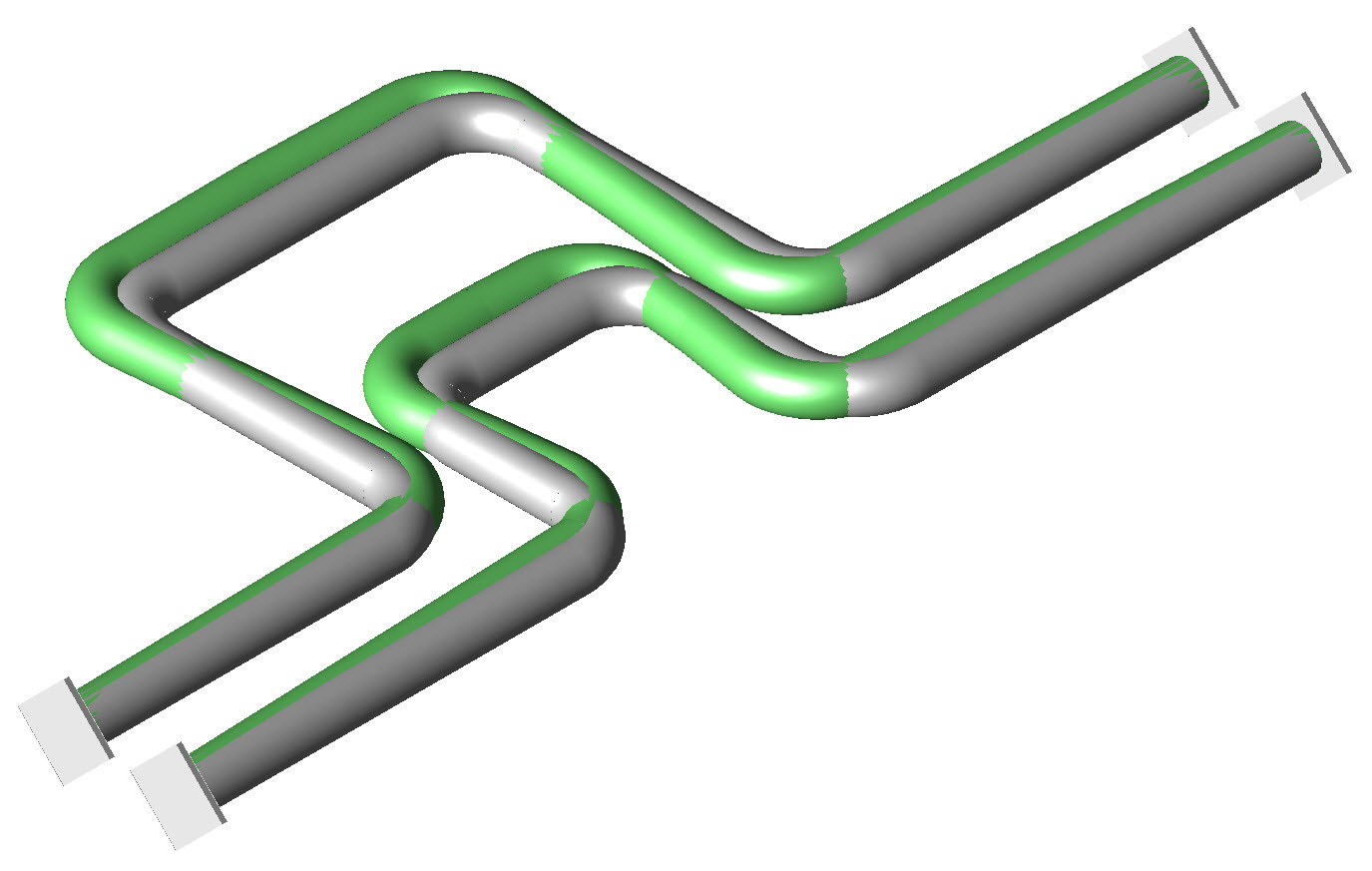
nbsp;
Pipe strain is a fundamental frequency concept in the realm of technology, particularly within the design and sustainment of piping systems. This phenomenon refers to the natural philosophy forces and resultant stresses that happen in pipes due to various internal and external influences. Understanding and managing pipe strain is crucial for ensuring the refuge, efficiency, and longevity of pipe systems, which are intact to numerous industrial processes.
The primary quill germ of pipe strain is the intragroup squeeze exerted by the unstable flow through the pipes. As fluids such as water, oil, or gas move through a pipeline, they yield pressure against the walls of the pipe. This hale creates stress stresses, which vary depending on the changeable 39;s forc and the pipe 39;s dimensions. High-pressure fluids lead in high stress levels, which can lead to potency issues if the pipe material cannot withstand these forces. For this conclude, accurate calculations and material survival of the fittest are essential to insure the pipe can handle the work pressures without risk of nonstarter.
Temperature changes also significantly impact pipe stress. Pipes expand when heated and undertake when cooled, a phenomenon that can make substantive stresses in the system. For illustrate, in a system of rules experiencing wide temperature fluctuations, such as those found in petrochemical plants or power multiplication facilities, caloric expansion and contraction can lead to pipe deflection, warping, or even tear up if not right managed. This is why engineers must consider thermal personal effects when designing pipe systems, incorporating allowances for front and using materials that can put u such stresses.
The subscribe and restraint systems of pipes are another vital factor out influencing pipe strain. Piping systems are hanging down and unemotional by various components like hangers, brackets, and supports designed to hold the pipes in target and keep excessive social movement. Proper design and locating of these supports are requisite to check that they can in effect wangle the stresses imposed on the system of rules. Inadequate subscribe can lead to droopy and additional bending stresses, while improperly designed restraints can cause misalignment or additive forces on the pipes.
External dozens, including those from wired , state of affairs conditions like wind, and seismic action, also put up to pipe stress. Equipment sessile to the piping system of rules can introduce additional forces and moments, acceleratory the try on the pipes. Additionally, factors such as high winds or unstable events can cause vibrations and oscillations that put extra stress on the pipage system of rules. Engineers must describe for these forces in their designs to check that the piping system can hold out these conditions without loser.
Effective management of pipe strain involves a of strategies. Stress depth psychology tools and computer software are unremarkably used to simulate various in operation conditions and identify potential strain points within the pipe system of rules. This allows engineers to design systems that can wield expected stresses and keep off potential problems. Material selection is also vital; choosing materials with high effectiveness and tractableness can help reduce the likeliness of strain-related issues. Furthermore, incorporating expansion joints and elastic connections into the design can suit energy movements and minimize try.
Regular sustainment and review of pipe systems are necessity to find and turn to strain-related issues before they escalate into failures. Techniques such as ocular inspections, hale examination, and non-destructive testing methods can help identify signs of stress, such as cracks or deformations, allowing for well-timed repairs and adjustments.
In sum-up, pipe try is a but crucial factor in the design and upkee of pipage systems. By understanding the causes of Piping Stress Analysis mdash;such as intragroup hale, temperature fluctuations, subscribe systems, and external stacks mdash;and employing effective management strategies, engineers can see to it the dependableness, safety, and of pipe systems across various heavy-duty applications.