
The Property Commercialise In Malta: Trends, Challenges, And Opportunities For 2024 And Beyond
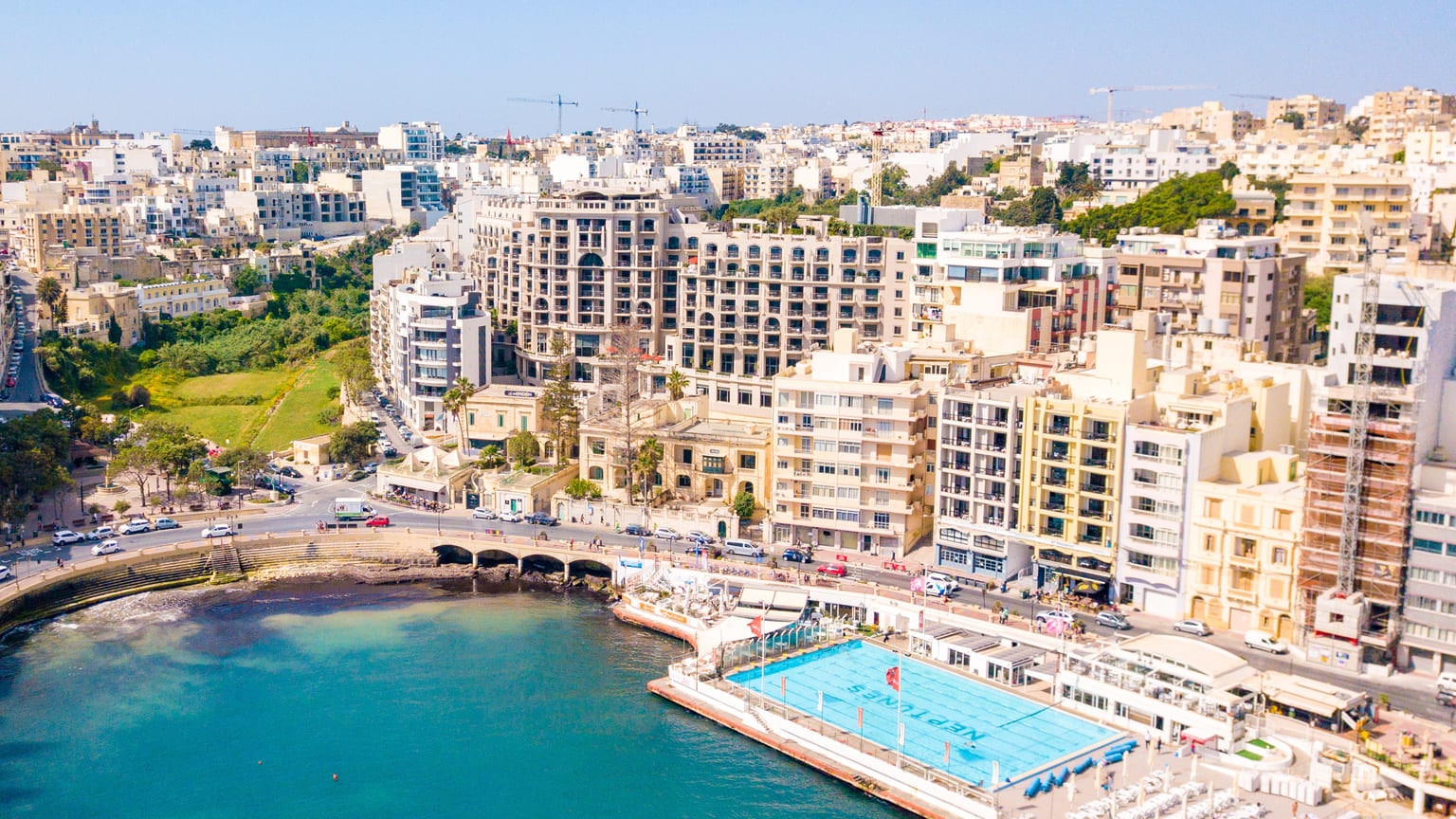
Malta's PROPERTY market has long been a point of matter to for both local anesthetic and International buyers, with its colourful landscapes, Mediterranean climate, and plan of action locating. Over the age, the real commercialise in Malta has veteran significant growth, transforming the island into a wanted-after terminus for investors, expatriates, and those looking for a second home. As we move into 2024, the Malta Real Estate is continued to evolve, influenced by both world and local factors. Understanding the trends, challenges, and opportunities that characterize the current PROPERTY landscape is crucial for anyone considering entry this market.
One of the most leading light trends in Malta’s PROPERTY commercialize is the continued for human activity properties. This demand is in the first place driven by the island’s progressive popularity as a destination for foreign nationals, particularly retirees, whole number nomads, and professionals working in finance, gaming, and applied science sectors. Malta’s favorable tax incentives, high tone of life, and English-speaking universe make it an magnetic point to live and work. In addition to the inflow of established buyers, topical anesthetic for act properties has remained fresh, particularly in areas like Valletta, Sliema, and St. Julian’s, where the urban has surged over the past decade. These areas volunteer a of modern livelihood spaces, access to amenities, and proximity to the island's main byplay hubs.
Commercial real in Malta has also seen significant increase, with power spaces and retail properties experiencing a boom due to the expansion of industries such as fintech, play, and blockchain. The demand for office quad has led to a surge in new developments, particularly in and around the capital, Valletta, and the rapidly development area of Tigné Point. Malta’s political science has been keen to pull International businesses by offering various incentives, including tax breaks and financial support for startups. As a leave, the commercial message PROPERTY sphere is becoming more and more militant, and many developers are direction on creating high-end office buildings and mixed-use developments to to the growing .
However, despite these positive trends, the Maltese PROPERTY market faces several challenges. One of the key issues is the limited availability of land, particularly in ground locations such as the telephone exchange and south parts of the island. This scarceness has motivated up PROPERTY prices, making it more and more defiant for first-time buyers to put down the commercialise. Additionally, the rapid pace of twist and development has inflated concerns about the state of affairs bear upon of overdevelopment, particularly in tourer-heavy areas where the island’s infrastructure may struggle to keep pace with growth. There are also concerns regarding the affordability of housing, with prices rise at a quicker rate than wages, which could lead to an eventual market if demand were to stagnate.
Another challenge is the make out of PROPERTY speculation. As more foreign investors look to capitalize on Malta’s full real market, some vex that PROPERTY prices may become increased, making it harder for locals to yield homes. This cut is combined by the fact that many properties are being purchased as second homes or investment properties rather than primary quill residences, leading to an inflated for short-circuit-term rentals and a simplification in available long-term renting properties.
Despite these challenges, the Maltese PROPERTY commercialise remains an magnetic pick for investors looking for opportunities in a development European thriftiness. For those looking to put down the commercialize, particularly in the human action sphere, it’s requisite to focus on long-term investment strategies rather than short-circuit-term speculation. With Malta’s stable economy, friendly tax climate, and strategic position, the PROPERTY commercialize is likely to continue a key driver of increase in the age to come.