
A Packaging Machine for powder filling is an essential industrial system used to measure, fill, and pack powdered materials into bags, bottles, or containers with high accuracy and speed. A Packaging Machine plays a crucial role in industries such as food processing, pharmaceuticals, chemicals, and agriculture, where powders like flour, milk powder, detergent, spices, and medicines must be packed safely and efficiently.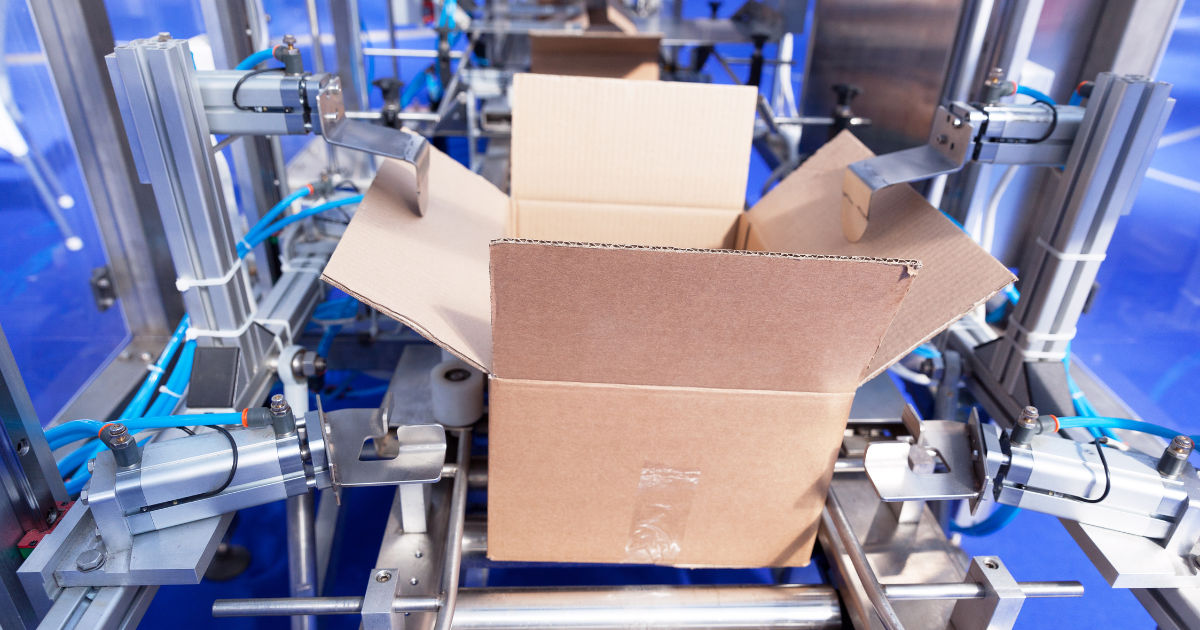
In modern production lines, a Packaging Machine is not just a convenience but a necessity. It ensures consistent weight, reduces human error, improves hygiene, and increases production speed. Without a reliable Packaging Machine, businesses would struggle to maintain quality and meet large-scale demand.
This comprehensive guide will explain what a powder filling system is, how it works, its types, components, benefits, applications, and how to choose the right system. By the end, you will have a clear understanding of why a Packaging Machine is a critical investment for industries dealing with powdered products.
Powder Filling Packaging Systems
A powder filling system is a specialized type of Packaging Machine designed specifically to handle dry, powdered, or granular substances. Unlike liquid fillers, a powder-based Packaging Machine must control dust, maintain accuracy, and ensure smooth flow of materials.
Powders behave differently depending on their texture. For example:
- Fine powders like flour can become airborne easily
- Granular powders like sugar flow more freely
- Sticky powders like protein mixes may clump together
A modern Packaging Machine is engineered to handle these challenges using advanced feeding and weighing mechanisms.
The goal of any powder filling Packaging Machine is to deliver the correct amount of product into each package while maintaining speed and hygiene.
How a Powder Filling Packaging Machine Works
A Packaging Machine for powder filling operates through a series of controlled steps that ensure precision and efficiency.
Step 1: Material Feeding
Powder is stored in a hopper. The Packaging Machine uses an auger or vacuum system to move the powder into the filling section.
Step 2: Measuring the Powder
The system measures the exact quantity using weight sensors or volumetric controls. A modern Packaging Machine ensures each pack has consistent weight.
Step 3: Filling Process
Once measured, the powder is released into containers or pouches. The Packaging Machine controls the flow to avoid spillage and dust formation.
Step 4: Sealing and Finishing
After filling, the package is sealed, labeled, and prepared for distribution. A fully automated Packaging Machine can complete all steps in one cycle.
Each stage is designed to maximize accuracy, reduce waste, and maintain product quality.
Types of Powder Filling Packaging Machines
There are several types of powder filling systems, and each Packaging Machine is designed for specific applications.
Auger Filling Packaging Machine
This is the most common type of Packaging Machine used for powders. It uses a rotating screw (auger) to measure and dispense powder.
- Best for fine powders
- High accuracy
- Suitable for spices, milk powder, and flour
Volumetric Cup Filling Packaging Machine
This Packaging Machine uses fixed volume cups to measure powder.
- Simple design
- Cost-effective
- Best for free-flowing powders like sugar
Net Weight Filling Packaging Machine
This advanced Packaging Machine measures powder by weight using load cells.
- Highly accurate
- Ideal for expensive products
- Used in pharmaceutical industries
Semi-Automatic Packaging Machine
A semi-automatic Packaging Machine requires some manual input but still automates filling.
- Lower cost
- Flexible usage
- Suitable for small businesses
Fully Automatic Packaging Machine
A fully automated Packaging Machine handles everything from feeding to sealing.
- High-speed production
- Minimal human intervention
- Used in large factories
Key Components of a Powder Filling Packaging Machine
A modern Packaging Machine consists of several important components that work together.
Hopper
The hopper stores raw powder before filling. A Packaging Machine relies on a well-designed hopper for smooth material flow.
Auger or Filling System
This is the core part of the Packaging Machine, responsible for measuring and dispensing powder.
Control Panel
Operators use the control panel to set weight, speed, and other parameters in the Packaging Machine.
Conveyor System
The conveyor moves containers through different stages of the Packaging Machine process.
Sealing Unit
After filling, the sealing unit ensures airtight packaging in the Packaging Machine.
Sensors and Weighing System
Modern Packaging Machine systems use sensors to maintain accuracy and detect errors.
Applications of Powder Filling Packaging Machines
A Packaging Machine for powder filling is used in many industries.
Food Industry
In food production, a Packaging Machine is used for:
- Flour
- Milk powder
- Coffee
- Spices
- Protein supplements
Pharmaceutical Industry
A Packaging Machine ensures precise dosing for:
- Medicinal powders
- Nutritional supplements
- Chemical compounds
Chemical Industry
In chemical production, a Packaging Machine handles:
- Detergents
- Fertilizers
- Industrial powders
Agricultural Sector
A Packaging Machine is used for:
- Seeds
- Pesticide powders
- Animal feed additives
Each industry depends on a reliable Packaging Machine to maintain safety and consistency.
Benefits of Using a Powder Filling Packaging Machine
Investing in a Packaging Machine provides several advantages.
High Accuracy
A Packaging Machine ensures precise measurement, reducing product loss.
Increased Production Speed
Modern Packaging Machine systems can fill hundreds of packages per minute.
Improved Hygiene
A closed Packaging Machine system reduces contamination risk.
Reduced Labor Costs
Automation in a Packaging Machine reduces the need for manual labor.
Consistent Quality
Every package filled by a Packaging Machine has uniform weight and quality.
Reduced Waste
A well-calibrated Packaging Machine minimizes material wastage.
Factors to Consider When Choosing a Packaging Machine
Selecting the right Packaging Machine is important for efficiency and productivity.
Type of Powder
Different powders require different Packaging Machine designs depending on flow characteristics.
Production Capacity
High-volume industries need a high-speed Packaging Machine.
Accuracy Requirements
Pharmaceutical industries require highly precise Packaging Machine systems.
Budget
Cost plays a major role in choosing a Packaging Machine.
Automation Level
Businesses must decide between semi-automatic and fully automatic Packaging Machine systems.
Maintenance Needs
A reliable Packaging Machine should be easy to clean and maintain.
Maintenance and Care of Powder Filling Machines
Proper maintenance ensures long-term performance of a Packaging Machine.
Regular Cleaning
Powder residue should be cleaned from the Packaging Machine to avoid contamination.
Lubrication of Parts
Moving parts in the Packaging Machine must be lubricated regularly.
Sensor Calibration
Sensors in the Packaging Machine must be checked for accuracy.
Inspection of Sealing Units
A faulty sealing unit can reduce the efficiency of the Packaging Machine.
Preventive Maintenance
Scheduled servicing helps extend the life of a Packaging Machine.
Challenges in Powder Filling Packaging Systems
Even advanced Packaging Machine systems face some challenges.
Dust Control
Fine powders can create dust inside the Packaging Machine.
Flow Issues
Some powders do not flow smoothly through the Packaging Machine.
Moisture Sensitivity
Moisture can affect performance of a Packaging Machine.
Wear and Tear
Continuous operation can affect mechanical parts of a Packaging Machine.
These challenges can be managed with proper design and maintenance.
Future Trends in Packaging Machine Technology
The future of Packaging Machine systems is driven by innovation.
Smart Automation
AI-based Packaging Machine systems will improve accuracy and speed.
IoT Integration
Connected Packaging Machine systems will allow remote monitoring.
Energy Efficiency
New Packaging Machine designs focus on reducing energy consumption.
Sustainable Packaging
Future Packaging Machine solutions will support eco-friendly materials.
Advanced Robotics
Robotics will enhance the capability of Packaging Machine systems.
Why Packaging Machines Are Essential for Modern Industry
A Packaging Machine is no longer optional in modern manufacturing. It is a key part of production efficiency and product safety. Without a Packaging Machine, industries would struggle with inconsistency, high labor costs, and low productivity.
From small businesses to large factories, every organization benefits from a reliable Packaging Machine. It ensures that products reach customers in perfect condition while maintaining industry standards.
Conclusion
A powder filling Packaging Machine is a highly specialized system designed to automate the process of measuring, filling, and sealing powdered products. It improves accuracy, speed, hygiene, and efficiency across multiple industries including food, pharmaceuticals, chemicals, and agriculture.
Different types of Packaging Machine systems such as auger fillers, volumetric fillers, and net weight machines serve different production needs. Each Packaging Machine is built with components like hoppers, sensors, conveyors, and sealing units that work together to ensure precision and reliability.
Choosing the right Packaging Machine depends on powder type, production scale, budget, and automation level. With proper maintenance, a Packaging Machine can operate efficiently for many years.
As technology continues to evolve, the future of the Packaging Machine industry will include smarter automation, AI integration, and more sustainable solutions. This will make production even more efficient and environmentally friendly.
In summary, a Packaging Machine is a vital investment for any business dealing with powdered products, ensuring consistency, quality, and competitiveness in the global market.