
In today’s digital world, JPG to Text technology has become an essential tool for students, professionals, and businesses. From scanning notes to digitizing printed documents, JPG to Text tools allow users to convert images containing written or printed content into editable text within seconds. This process saves time, reduces manual typing, and increases productivity.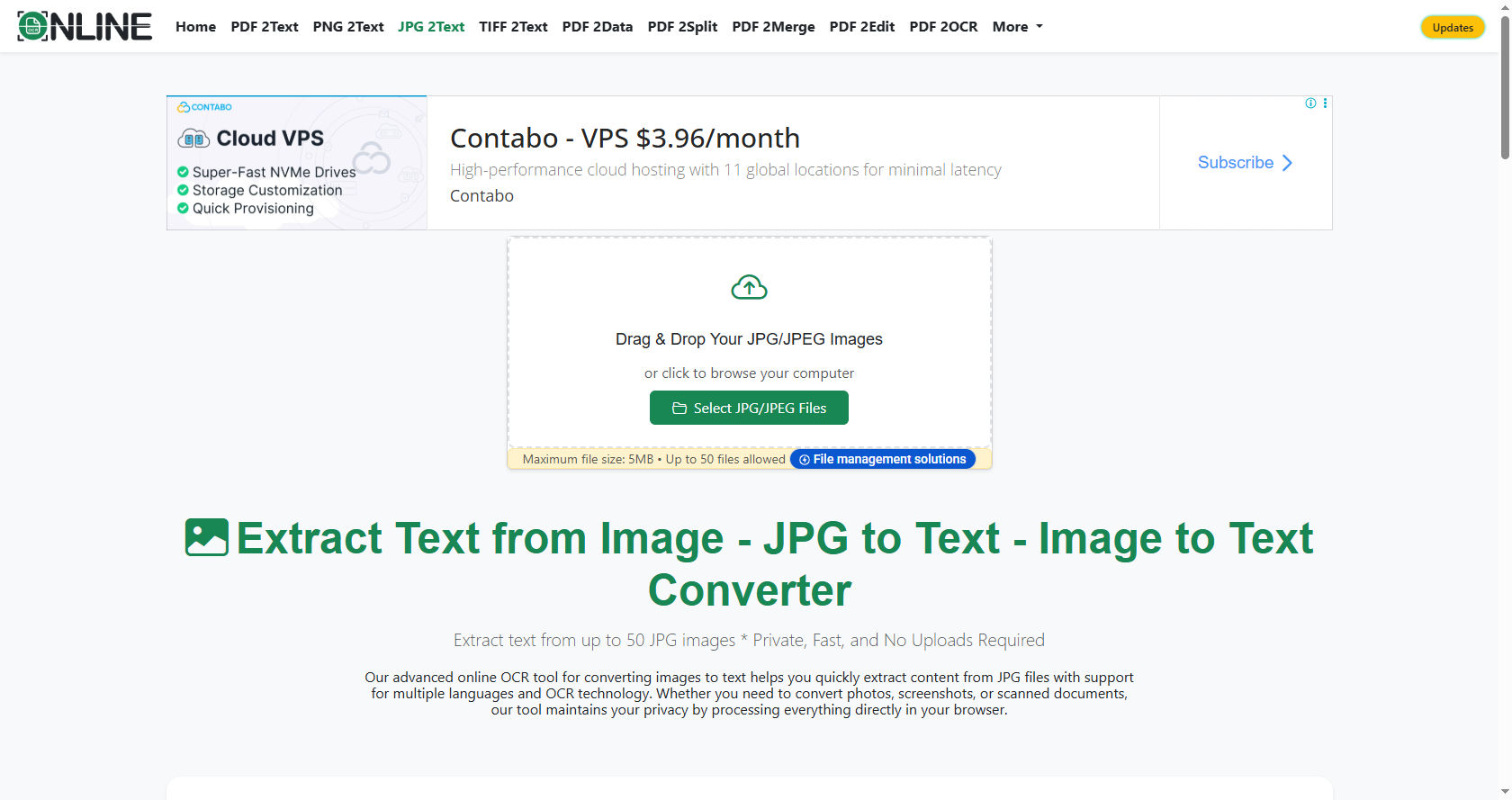
At its core, JPG to Text is powered by intelligent software that can recognize letters, numbers, and symbols from an image file. Instead of seeing the picture as just pixels, the system analyzes patterns and shapes that form characters.
This transformation from image to editable content may seem simple, but it involves advanced technology working behind the scenes.
Understanding how this process works can help you use it more effectively. In this comprehensive guide, you will learn the complete process, the technology involved, benefits, challenges, and practical applications.
What Is JPG to Text Conversion?
JPG to Text conversion is the process of extracting written or printed words from a JPG image file and turning them into editable digital text. A JPG file is a common image format used for photos, scanned documents, and screenshots.
Instead of typing everything manually, JPG to Text software scans the image, detects the text inside it, and converts it into a format you can copy, edit, or save. This makes JPG to Text especially useful for students who scan textbook pages, office workers who digitize paperwork, or researchers who collect information from printed sources.
The main goal is to make information stored in images accessible and editable. This improves efficiency and reduces the need for repetitive manual work.
The Core Technology Behind JPG to Text
To understand how JPG to Text works, we need to explore the main technology behind it.
Optical Character Recognition (OCR)
The heart of every JPG to Text system is Optical Character Recognition, commonly known as OCR. OCR enables JPG to Text tools to identify characters within an image and convert them into machine-readable text.
OCR technology works by analyzing the shapes and patterns of letters. It compares these shapes with stored templates or uses machine learning algorithms to predict what each character represents.
When you upload an image into a JPG to Text converter, the OCR engine begins scanning the image for recognizable text patterns. It then breaks the image down into smaller sections, such as lines, words, and characters.
Image Preprocessing
Before JPG to Text software can recognize characters accurately, it must first prepare the image. This stage is called preprocessing.
During preprocessing, the system improves image quality by adjusting brightness, contrast, and sharpness. It may remove background noise, correct tilted images, and convert color images into black and white for better clarity.
This step is extremely important because clearer images produce more accurate results.
Text Detection
After preprocessing, the JPG to Text engine detects where the text is located within the image. Not every part of a picture contains useful information. There may be graphics, logos, or blank spaces.
The software separates text areas from non-text areas. It identifies lines and blocks of content to prepare them for recognition.
Character Recognition
Once the JPG to Text system isolates characters, it begins recognizing them individually. Each character is analyzed based on its shape, curves, and angles.
Modern systems often use artificial intelligence and machine learning. Instead of only matching characters to stored templates, advanced tools learn from large datasets of fonts and handwriting styles. This allows them to improve accuracy over time.
Post-Processing
Finally, JPG to Text tools perform post-processing. This step corrects possible errors and improves formatting.
For example, if the system recognizes a word that does not exist in the dictionary, it may suggest corrections. It also restores paragraph spacing, punctuation, and capitalization.
This ensures the final output is readable and properly structured.
Step-by-Step Process of JPG to Text Conversion
Let’s break down the typical steps a JPG to Text converter follows:
1. Image Upload
When you start a JPG to Text task, the first step is uploading the image. This could be a scanned document, a photo of handwritten notes, or a screenshot.
2. Image Enhancement
The JPG to Text system adjusts brightness, contrast, and orientation. If the image is tilted, it automatically straightens it.
3. Text Segmentation
Next, the JPG to Text engine separates text from images or decorative elements. It divides the content into lines and characters.
4. Character Matching
The JPG to Text software compares each detected character with its database. Using OCR algorithms, it identifies letters and numbers.
5. Error Correction
After recognition, the JPG to Text tool checks for spelling mistakes and formatting problems. It uses language models to improve accuracy.
6. Output Generation
Finally, the JPG to Text result is displayed as editable text. Users can copy it, download it, or save it in various formats like TXT or DOC.
This step-by-step process happens within seconds, even though it involves complex calculations.
Types of JPG to Text Image Readers
There are different types of JPG to Text tools available today.
Online JPG to Text Converters
Online JPG to Text converters run directly in your web browser. You simply upload your image and receive the converted text instantly.
These JPG to Text platforms are convenient because they require no installation. However, they depend on internet access.
Desktop JPG to Text Software
Desktop JPG to Text applications are installed on a computer. They often offer advanced features such as batch processing and higher accuracy.
They are useful for businesses that handle large volumes of documents.
Mobile Apps for JPG to Text
Mobile JPG to Text apps allow users to take a photo with their smartphone and instantly convert it into editable text.
This is especially helpful for students capturing classroom notes or professionals scanning receipts.
Key Features of an Effective JPG to Text Tool
Not all JPG to Text tools are created equal. Here are some important features to look for:
High Accuracy
Accuracy is the most important feature of any JPG to Text system. A good tool should correctly recognize most characters with minimal errors.
Language Support
Many advanced JPG to Text tools support multiple languages. This is important for global users and multilingual documents.
Fast Processing
A good JPG to Text converter should process images quickly, even large files.
Multiple Output Formats
Flexible output options make JPG to Text more practical. Users may want to download results as Word files, PDFs, or plain text.
Security and Privacy
For sensitive documents, JPG to Text services should protect user data and delete files after processing.
Benefits of Using JPG to Text Technology
There are many advantages to using JPG to Text in everyday life.
Time-Saving
One major benefit of JPG to Text is speed. Instead of typing pages of text manually, users can convert them instantly.
Improved Productivity
Students and professionals use JPG to Text to focus on analysis instead of data entry.
Accessibility
For people with visual impairments, JPG to Text can convert printed material into digital text that works with screen readers.
Better Organization
Businesses rely on JPG to Text to digitize paper records. This makes documents searchable and easier to store.
Common Challenges in JPG to Text Conversion
Although JPG to Text technology is powerful, it is not perfect.
Low-Quality Images
If an image is blurry or poorly lit, the JPG to Text engine may struggle to recognize characters accurately.
Handwritten Text
Handwriting can also be difficult for JPG to Text systems. Different writing styles and unclear letters can reduce accuracy.
Complex Layouts
Magazines and brochures may confuse a JPG to Text reader. Multiple columns, images, and decorative fonts can make segmentation challenging.
Tips to Improve JPG to Text Accuracy
You can improve JPG to Text results by following simple best practices.
Use High-Resolution Images
Using high-resolution images helps the JPG to Text engine detect characters more clearly.
Ensure Proper Lighting
Proper lighting ensures the JPG to Text tool captures clear and sharp images without shadows.
Avoid Distorted Angles
Take photos straight from above. Avoid tilted or curved pages.
Choose Clear Fonts
Printed text in standard fonts is easier for recognition systems to process than decorative or stylized fonts.
Real-World Applications
Image-to-text conversion is widely used across industries.
In education, students scan textbook pages and convert them into editable notes. Teachers digitize printed materials for online classes.
In business, companies convert invoices, receipts, and contracts into digital records. This makes searching and archiving much easier.
In healthcare, patient forms and reports can be digitized for electronic record systems.
In research, scholars extract data from historical documents and printed journals.
These applications show how image recognition technology improves efficiency in many fields.
The Role of Artificial Intelligence
Modern recognition systems are smarter than ever because of artificial intelligence.
Machine learning models are trained on millions of text samples. They learn to recognize patterns, fonts, and even certain handwriting styles.
Over time, the system improves its ability to predict and correct mistakes. This continuous learning process increases overall accuracy.
Deep learning algorithms can also detect context. For example, if a sentence seems grammatically incorrect, the system may adjust words to match common language patterns.
Security and Privacy Considerations
When uploading documents for conversion, privacy is important.
Always use trusted platforms. Make sure files are encrypted during upload and automatically deleted after processing.
For highly confidential documents, offline software may be a better option.
Users should read privacy policies carefully before uploading sensitive materials.
The Future of Image-to-Text Technology
The future of this technology looks promising.
With improvements in artificial intelligence, systems will become even more accurate. Handwriting recognition will improve, and support for more languages will expand.
Real-time recognition through smart glasses or augmented reality devices may become common. Imagine pointing your camera at a sign and instantly seeing the text translated or edited.
As computing power increases, processing will become faster and more efficient.
Conclusion
Image-to-text conversion has transformed how we interact with printed information. It allows users to turn static images into dynamic, editable content within seconds.
By understanding the process—from preprocessing and OCR to post-processing—you can better appreciate how advanced this technology truly is. While challenges like low-quality images and complex layouts still exist, continuous improvements in artificial intelligence are making systems more accurate every year.
Whether you are a student organizing notes, a professional managing documents, or a business digitizing records, this technology offers practical solutions. It saves time, improves productivity, enhances accessibility, and supports digital transformation.
As innovation continues, image recognition systems will become even smarter, faster, and more reliable. Learning how they work helps you use them more effectively and choose the right tools for your needs.
In a world that increasingly values digital information, converting images into editable text is no longer a luxury—it is a necessity.