
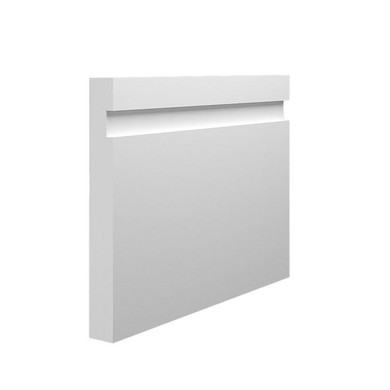
The installation of new skirting boards is a rewarding project, but the final, transformative step is the paint job. A perfectly painted skirting board can pull an entire room together, creating a clean, defined line that makes all the difference. While the process may seem simple, a little bit of preparation and the right technique can be the difference between an amateur-looking finish and a flawless, professional one. This guide will walk you through the steps to achieve the perfect paint job, and show you why starting with a high-quality, pre-primed product from MDF Skirting World is your secret to success.
Step 1, Preparation is Everything
A great paint job is built on a solid foundation. Even if your skirting boards are brand new, some preparation is essential.
-
Clean and Sand: Begin by wiping down the entire surface of the 9 skirting board with a clean, damp cloth to remove any dust, dirt, or grease. Once dry, give the surface a very light sanding with fine-grit sandpaper (around 180-240 grit). This will smooth out any minor imperfections and create a better “key” for the paint to adhere to. Wipe away any sanding dust with a tack cloth before moving on.
-
Fill and Caulk: For a seamless finish, use a good quality wood filler to fill in any nail holes or minor dents. For the gaps where the skirting boards meet the wall, use a decorator’s caulk. This simple step hides any imperfections and gives the appearance of a perfectly fitted trim.
Step 2, Priming (Or Choosing Pre-Primed)
Priming is a crucial step that ensures your top coat of paint will look its best and last for years.
-
The Purpose of Primer: Primer serves two main purposes, it seals the surface of the skirting boards, preventing the paint from being absorbed unevenly, and it provides a uniform, consistent base for the top coat. For un-primed MDF, a good quality, water-based primer is essential.
-
The Benefit of Pre-Primed: This is where a specialist like MDF Skirting World saves you a significant amount of time and effort. Many of their skirting boards come with an option for a pre-primed finish. This means the boards have already been primed in a professional, controlled environment, ensuring a perfectly smooth, even, and consistent base coat. This skips a time-consuming and messy step for you and gives you a superior starting point for your painting.
Step 3, The Painting Process
With your skirting boards prepped and primed, you can move on to the final coat of paint.
-
Choose the Right Paint: For skirting boards, you need a durable, hard-wearing paint that can stand up to daily scuffs and knocks. Gloss, satin, or eggshell paints are excellent choices, as they are tough, easy to clean, and provide a professional-looking finish.
-
Use the Right Tools: A high-quality, synthetic brush (around 2-3 inches) is ideal for painting skirting boards. It will provide better control and a smoother finish than a cheaper brush. For very long, straight sections, a small foam roller can be a good choice to quickly apply a thin, even coat of paint.
-
Apply Thin Coats: It is much better to apply two or even three thin coats of paint than one thick one. A thick coat is more likely to run, sag, or peel. Thin coats dry faster, are more durable, and provide a much smoother finish. Lightly sand with very fine sandpaper (320 grit) between coats for a silky-smooth surface.
-
Start and End with the Brush: If you are using a roller, always follow up with a light pass of a brush to eliminate any roller marks and achieve a flawless, streak-free finish.
Step 4, The Final Touches
Once your paint is dry, you can stand back and admire your work. The perfectly painted skirting boards will look clean and professional, completing your room’s design.
Choosing a high-quality, pre-primed product from a specialist like MDF Skirting World provides the ideal foundation for a professional paint job. Their smooth, moisture-resistant MDF is a painter’s dream, and by following these simple steps, you can ensure your hard work results in a beautiful, durable finish that will last for years.