Your Buzz With Casino Games A Overview Of Casino Life

The gambling casino manufacture has been a large portion of entertainment and socialising for several age. Casinos are not just for gambling; they offer it all, from stimulating games to striking live shows, elegant cuisines to voluptuous accommodations. This industry has evolved from simple play dens to multi-million-dollar entities. The range of games provided by casinos is vast, involving a immingle of chance, scheme, and skill that engages different types of patrons.

Reality can speedily fade away when stepping into the glitzy, glamorous earth of casinos. The radiant lights, the voice of pot bells in the play down, and the cheers of players at the toothed wheel put of make an standard pressure unlike any other. The stallion plan of a casino, from the complex architectural details to the layout of the gaming floor, is purposefully crafted to ply an memorable, immersive experience to its visitors.

The gambling casino industry’s big growth is in the first place due to the excitement of casino games, the suspense and thrill of which lure players from all walks of life. Among the most pop games are slot machines, poker, and pressure, each offer a different pull dow of risk and pay back. However, a few things every casino game has in park are unpredictability and high wager, elements that resurrect epinephrin levels and grant a unique kind of exhilaration.

Hotel casinos, particularly those in far-famed locations like Las Vegas and Macao, are known for adding profligate features and amenities. Top-quality restaurants, surprising theatres featuring earthly concern-class performers, sprawling shopping centers, and luxe hotel accommodations all put up to the overall tempt of gambling casino destinations. These features make gambling casino resorts not just venues for gaming, but complete vacation destinations, to the needs and preferences of diverse individuals.

Besides the thrill of play and the luxuriousness it offers, the casino industry is a substantial contributor to the economy. It provides many employment opportunities, contributes to touristry, and is a crucial source of tax taxation for many local anaesthetic and put forward governments. The dismantle of worldly natural process generated by the gambling situs toto manufacture underscores its grandness as a vital part of the amusement and leisure sector.

In termination, casinos are bewitching domains where world blends with excitement. Whether one visits a casino for the vibrate of gambling, the culinary art adventures, or the earthly concern-class entertainment, it promises an see unlike any other. The casino life is an amalgamation of tickle, sumptuousness and a testament to an manufacture that evolved to provide more than just gambling but a life style brimful with unusual experiences and memories.

The Evolution of the Automotive Industry

The www.icartea.com/en/news/Top-5-lowest-priced-Chinese-Cars-5772 industry has come a long way since the invention of the first gasoline-powered automobile in 1885 by Karl Benz. The technological advancements, economic changes, and societal impact of automobiles have shaped this industry into what it is today. Let’s take a closer look at the evolution of the automotive industry and its current state.

The early days of the automotive industry were marked by fierce competition between inventors, with many different designs and models being developed. However, it was Henry Ford who revolutionized the industry with the introduction of the assembly line in 1913. This allowed for mass production of automobiles, making them more affordable for the average consumer. As a result, the demand for cars increased rapidly, leading to the growth of the industry.

The 1920s saw a rise in consumerism and the emergence of new car models such as the Ford T-Model and the Chevrolet Superior. This decade also saw the introduction of features like radios, heaters, and electric starters, making cars more comfortable and convenient for drivers. The automotive industry was booming, and car ownership became a sign of social status and wealth.

The outbreak of World War II brought a halt to the production of consumer cars, as manufacturers shifted their focus to producing vehicles for the war effort. However, after the war, the industry took off again, with innovations like automatic transmissions and power steering being introduced. The 1950s saw the rise of the American automotive industry, with iconic brands like Chevrolet, Ford, and Chrysler dominating the market.

In the 1960s, countries like Japan, Germany, and South Korea started to emerge as major players in the automotive industry. They offered affordable and efficient models, challenging the dominance of American car manufacturers. The oil crisis of the 1970s also had a significant impact on the industry. As fuel prices soared, consumers demanded more fuel-efficient cars, leading to the development of smaller, more compact models like the Volkswagen Beetle and the Toyota Corolla.

The 1980s and 1990s saw further advancements in technology with the introduction of computerized systems for fuel injection, braking, and other functions. Safety features like airbags and anti-lock braking systems also became standard in most cars. The rise of the internet in the 1990s also gave way to e-commerce, allowing customers to purchase cars online, giving them more control over the buying process.

In recent years, environmental concerns have been a driving force in the automotive industry. As governments strive to reduce carbon emissions and promote sustainability, car manufacturers are investing in electric and hybrid vehicles. These vehicles use alternative sources of energy, such as electricity, to power their engines, making them more environmentally friendly and fuel-efficient.

The automotive industry has also been heavily impacted by the rise of technology. With the introduction of self-driving cars, artificial intelligence, and electric vehicles, car manufacturing is becoming increasingly automated and eco-friendly. This has also opened up opportunities for new players in the market, such as tech giants like Google and Tesla.

In conclusion, the automotive industry has come a long way since its humble beginnings. It has evolved from a luxury for the wealthy to a necessity for the masses, shaping our societies and economies along the way. With ongoing advancements in technology and a strong focus on sustainability, the future of the automotive industry looks bright.

Exploring the Fascinating World of Collectible Items: A Deep Dive into Rare and Valuable Treasures

Collecting has long been a cherished hobby, one that allows individuals to indulge their passion for history, art, and nostalgia. From rare coins and vintage toys to limited edition memorabilia and antique furniture, the world of collectible items is vast and varied, offering something for every type of collector. The allure of these items lies not just in their aesthetic or functional value, but also in the story they carry and the potential they have for appreciating in value over time. Whether driven by a love for a specific era, brand, or simply the thrill of the hunt, collectors find immense satisfaction in discovering and acquiring these rare treasures.

One of the primary reasons people collect is the emotional connection they form with their items. For example, comic books, action figures, and trading cards often evoke fond memories of childhood. Vintage toys can serve as tangible connections to simpler times, while old movie posters or music memorabilia may remind collectors of a favorite film or band. This emotional bond makes collectible items not only meaningful but also a source of comfort and joy. In some cases, collectors also develop deep expertise in their chosen category, becoming knowledgeable about the history and provenance of each piece. This scholarly approach adds a layer of intellectual engagement to the hobby, transforming it into a lifelong pursuit of knowledge and discovery.

On a more practical level, collectible items can also be seen as an investment. As with fine art or real estate, rare collectibles often appreciate in value over time, sometimes reaching prices that far exceed their original cost. This has led many collectors to approach their hobby with a keen eye for market trends and an understanding of supply and demand dynamics. For instance, vintage toys like Star Wars action figures or limited edition sneakers have become highly sought-after commodities, often fetching thousands of dollars at auction. Even less conventional items, such as rare vinyl records or vintage sports memorabilia, can offer collectors a chance to make a profitable return on their investments.

The internet has played a crucial role in the growth of the collectible market. Online platforms and marketplaces like eBay, Etsy, and specialized auction houses have made it easier for collectors to find, buy, and sell items from all over the world. These platforms offer transparency, enabling buyers to authenticate items, research their value, and make informed decisions. The global nature of these marketplaces has also fostered a sense of community among collectors, who often form online forums and social media groups to share knowledge, trade items, and discuss their passion for collecting. This sense of camaraderie has helped to propel funko pop goku into the mainstream, making them more accessible than ever before.

Of course, not all collectibles appreciate in value, and the market can be unpredictable. Trends come and go, and what may be in high demand one year could fall out of favor the next. However, the inherent joy of collecting transcends financial gain. The pursuit itself—whether it involves hunting for a specific item, attending auctions, or engaging in trade—is a source of endless enjoyment for many. Collecting fosters a sense of community, nostalgia, and excitement, all of which contribute to the timeless appeal of collectible items. Ultimately, whether viewed as a hobby, an investment, or a means of preserving history, collectibles remain an enduring part of human culture, cherished by individuals of all ages and backgrounds.

Essential Road Safety Products for Every Driver

Road safety is a critical concern worldwide, with millions of people relying on effective measures to protect themselves and others while traveling. Road safety products play a vital role in mitigating risks, preventing accidents, and ensuring smooth traffic flow. From traffic cones to advanced reflective gear, these products are indispensable in safeguarding lives and property. This article delves into the significance, types, and benefits of road safety products while exploring how they contribute to creating safer roads for all. ppe traders in uae.


The Importance of Road Safety Products

Road safety products are designed to enhance visibility, regulate traffic, and minimize accidents on roads, construction sites, and other high-risk areas. With increasing urbanization and vehicular traffic, the demand for these tools has surged. They are not only crucial for protecting drivers and pedestrians but also for ensuring the safety of workers in construction zones and emergency responders during crises.

Statistics Highlighting the Need for Road Safety

  1. According to the World Health Organization (WHO), road traffic injuries are the leading cause of death for people aged 5–29 years globally.
  2. Nearly 1.3 million people die annually due to road accidents, and millions more are injured or disabled.
  3. Effective road safety measures, including the use of safety products, can reduce road fatalities by up to 50%.


Types of Road Safety Products

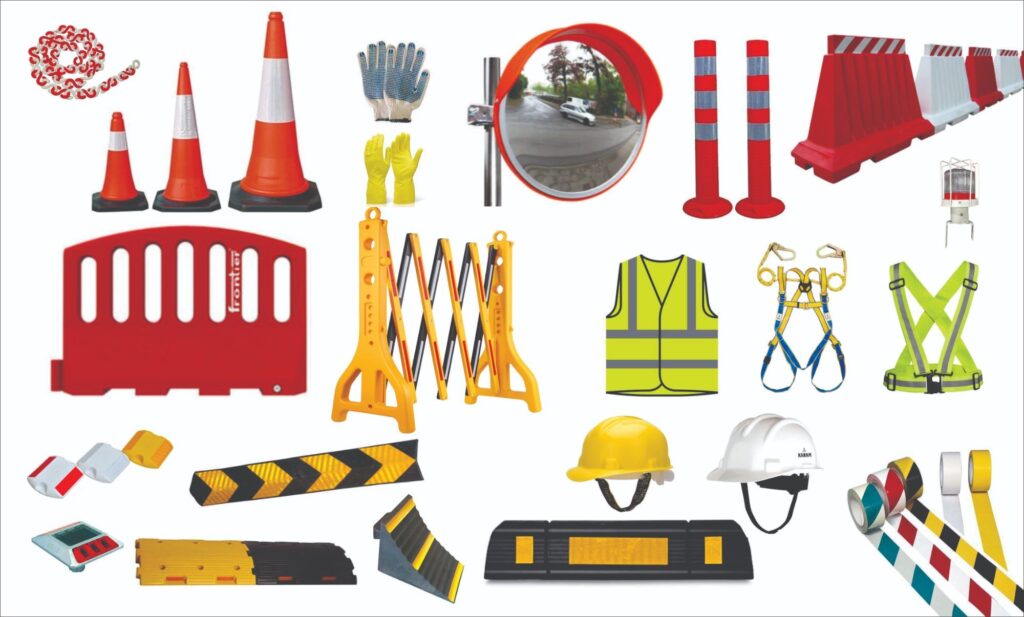
Road safety products encompass a broad range of tools designed to address different safety challenges. Here's an overview of some of the most common and essential products:

1. Traffic Cones

  • Purpose: Used to redirect traffic, indicate hazards, or demarcate construction zones.
  • Features: Made of durable, weather-resistant materials with reflective bands for visibility, especially at night.

2. Reflective Road Studs

  • Purpose: Provide guidance to drivers by marking lanes, curves, and road edges.
  • Features: Highly visible and durable, available in solar-powered options for energy efficiency.

3. Speed Breakers

  • Purpose: Force vehicles to slow down in high-risk areas like school zones and residential streets.
  • Features: Constructed from rubber or plastic, designed to be easily installed and maintained.

4. Barricades and Barriers

  • Purpose: Control vehicular and pedestrian movement, especially during events, accidents, or road closures.
  • Features: Lightweight, portable, and highly visible, with options for expandable or modular designs.

5. Warning and Directional Signs

  • Purpose: Provide critical information to road users, such as speed limits, detours, or hazard warnings.
  • Features: Reflective coatings for night visibility, standardized symbols for universal understanding.

6. High-Visibility Apparel

  • Purpose: Protect workers and pedestrians by making them easily visible to drivers.
  • Features: Bright, reflective materials that comply with safety standards.

7. Road Marking Materials

  • Purpose: Create permanent markings on roads, such as lanes, pedestrian crossings, and stop lines.
  • Features: Made from thermoplastic or paint with reflective additives.

8. Crash Barriers

  • Purpose: Absorb and redirect the impact of collisions to minimize injury and damage.
  • Features: Available in various designs, including metal, concrete, and plastic variants.

9. First Aid Kits for Vehicles

  • Purpose: Ensure immediate medical attention during road accidents.
  • Features: Compact and equipped with essential medical supplies for emergencies.


Benefits of Road Safety Products

1. Enhanced Visibility

Reflective products such as cones, signs, and apparel significantly improve visibility in low-light conditions, reducing the likelihood of accidents.

2. Traffic Regulation

By guiding and directing vehicles, safety products ensure smooth traffic flow, preventing congestion and collisions.

3. Protection for Vulnerable Road Users

Pedestrians, cyclists, and motorcyclists are particularly vulnerable on roads. Products like reflective vests and road studs increase their safety.

4. Safe Work Environments

For construction workers, road safety products provide a secure workspace, protecting them from oncoming traffic.

5. Compliance with Regulations

Using standardized safety products helps organizations and municipalities comply with road safety regulations, avoiding legal liabilities.


Technological Advancements in Road Safety Products

The evolution of technology has revolutionized road safety products, making them more efficient and user-friendly. Some notable advancements include:

1. Solar-Powered Products

  • Solar road studs and traffic lights offer sustainable solutions while reducing energy costs.
  • They provide continuous functionality even during power outages.

2. Smart Traffic Management Systems

  • Integrated systems using sensors, cameras, and AI analyze traffic patterns and optimize road safety measures in real-time.

3. IoT-Enabled Devices

  • Internet of Things (IoT) technology enables remote monitoring and management of safety products, ensuring timely maintenance.

4. Advanced Materials

  • Products now use lightweight, durable materials that can withstand harsh weather and heavy usage while maintaining high performance.


Challenges in Implementing Road Safety Products

Despite their benefits, several challenges hinder the widespread adoption and effectiveness of road safety products:

  1. Cost Constraints: High-quality safety products can be expensive, making them less accessible in low-income regions.
  2. Lack of Awareness: Many road users and stakeholders are unaware of the importance and proper use of these products.
  3. Vandalism and Theft: Safety products like cones and barriers are often stolen or damaged, reducing their availability and effectiveness.
  4. Inconsistent Standards: Variability in product quality and standards can lead to suboptimal safety outcomes.


Strategies to Promote Road Safety Products

To maximize the impact of road safety products, stakeholders must adopt a comprehensive approach:

1. Public Awareness Campaigns

Educating the public about the importance and proper use of road safety products can significantly improve compliance and effectiveness.

2. Government Initiatives

Governments should allocate resources to procure and install high-quality safety products, especially in high-risk areas.

3. Collaboration with Private Sector

Partnerships between governments and private companies can drive innovation and funding for advanced safety solutions.

4. Standardization and Regulation

Implementing uniform standards for safety products ensures consistent quality and reliability.

5. Research and Development

Continuous investment in R&D can lead to the development of more efficient and cost-effective safety products.


Conclusion

Road safety products are indispensable in creating safer environments for drivers, pedestrians, and workers. Their diverse range, from traffic cones to IoT-enabled devices, addresses various safety challenges while promoting smoother traffic flow and reducing accidents. However, their effectiveness depends on proper implementation, awareness, and adherence to quality standards.

As urbanization and traffic density continue to rise, the importance of road safety products cannot be overstated. By prioritizing innovation, collaboration, and public awareness, societies can ensure that these tools are used to their fullest potential, paving the way for safer journeys for everyone.


Stylised Grass: A Subverter Root For Bodoni Landscape Gardening And Property Sustenance

Artificial grass has emerged as a game-changing conception in the worldly concern of landscaping, offering many benefits that have made it a popular choice among homeowners, businesses, and sports facilities likewise. With its philosophical doctrine visual aspect, low maintenance requirements, and environmental advantages, painted grass over is fast becoming a mainstream alternative to cancel turf. As climate change continues to involve irrigate handiness and situation concerns grow, the use of synthetic substance grass over presents a sustainable solution that addresses these issues while delivering esthetic appeal and long-lasting lastingness.

One of the primary feather reasons for the surge in popularity of cardboard grass over is its low upkee needs. Unlike natural grass, which requires fixture lacrimation, mowing, fertilizing, and pest control, synthetic turf requires minimum care. Once installed, it only needs infrequent cleansing, such as brush to keep the blades vertical and removing detritus like leaves or dirt. This ease of upkee makes celluloid grass over an attractive option for busy homeowners, particularly those who want to tighten the total of time spent on yard work. For businesses and sports facilities, the low need for sustentation translates into lour work and improved .

In summation to deliverance time and exertion, artificial grass offers considerable irrigate benefits. Traditional lawns squander a substantial add up of irrigate, especially in regions with arid climates where drouth conditions are prevailing. Artificial grass over, on the other hand, eliminates the need for irrigation altogether, helping to conserve worthful water resources. This is particularly earthshaking in areas experiencing irrigate scarcity or those quest to tighten their situation footprint. By instalmen synthetic turf, homeowners and businesses can put up to the saving of irrigate while still enjoying a lush, green outdoor quad.

Another vantage of bionic grass is its environmental impact. Natural grass over lawns often want the use of pesticides and fertilizers to maintain their appearance and health, which can be deadly to the close ecosystem. The chemicals used in lawn care products can seep into the soil and waterways, polluting topical anaestheti environments and harming wildlife. Artificial grass over eliminates the need for these toxic substances, making it a more eco-friendly pick. Additionally, many manufacturers of synthetic turf are now producing eco-conscious products made from recycled materials, further reducing the state of affairs impact of celluloid grass over.

Artificial grass also provides a homogenous, serviceable surface that can withstand a wide straddle of endure conditions. Unlike cancel grass over, which can become muddy up and patchy after heavy rainfall or undue foot dealings, synthetic substance turf cadaver unimpaired and maintains its vivacious color throughout the year. This makes it an paragon pick for high-traffic areas such as playgrounds, sports W. C. Fields, and world Rosa Parks. The durability of bionic grass over ensures that it will last for many years with minimum wear and tear, offering a cost-effective solution for long-term landscape gardening needs.

The versatility of synthetic grass over also extends to a variety of applications. It can be used in act yards, commercial properties, rooftop gardens, and even interior spaces. Artificial turf is available in different textures, colors, and pile heights, allowing it to be plain to suit various plan preferences and usefulness needs. Whether it’s creating a safe play area for children, enhancing the curb appeal of a home, or providing a professional person-looking lawn for a business, synthetic grass over offers infinite possibilities for imaginative landscaping.

In conclusion, staged grass over is more than just a virtual root for low-maintenance landscape gardening; it is a property, environmentally-friendly option that addresses the challenges of water conservation, chemical substance use, and long-term lastingness. As the for property bread and butter grows, the popularity of stylised Grama Sintética rollo will likely carry on to rise, offering a greener, more effective way to beautiful outside spaces while minimizing state of affairs bear on.